Landfill goals vs reality

Across Central-Eastern and South-Eastern Europe, cities are under growing pressure to cut landfilling, meet EU circular economy targets, and unlock the value hidden in their waste streams. Our session brings together experts, legislators, innovators, technology providers, and municipal leaders to explore the latest solutions transforming MSW management – from advanced sorting and bio-treatment to circular material recovery and next-generation waste-to-resource systems. Join us to discover scalable pathways toward zero landfill, learn from regional best practices, and connect with partners shaping a cleaner, more resilient waste future in our region.

Organisers

Venue: HUNGEXPO Budapest Congress and Exhibition Center 
(1101 Budapest Albertirsai út 10.)
 

Date: 8 october 2026   

Gold Sponsor

Bronze Sponsor

Concept

It is timely to review the methods and technologies for managing municipal waste, as the 2035 landfill targets are on many Member States’ agendas as an ambitious goal. The current landfilling situation, its legislative framework, existing infrastructure, and other specific factors will be assessed, considering the relevant targets, the present circumstances, and the anticipated changes in EU legislation.  

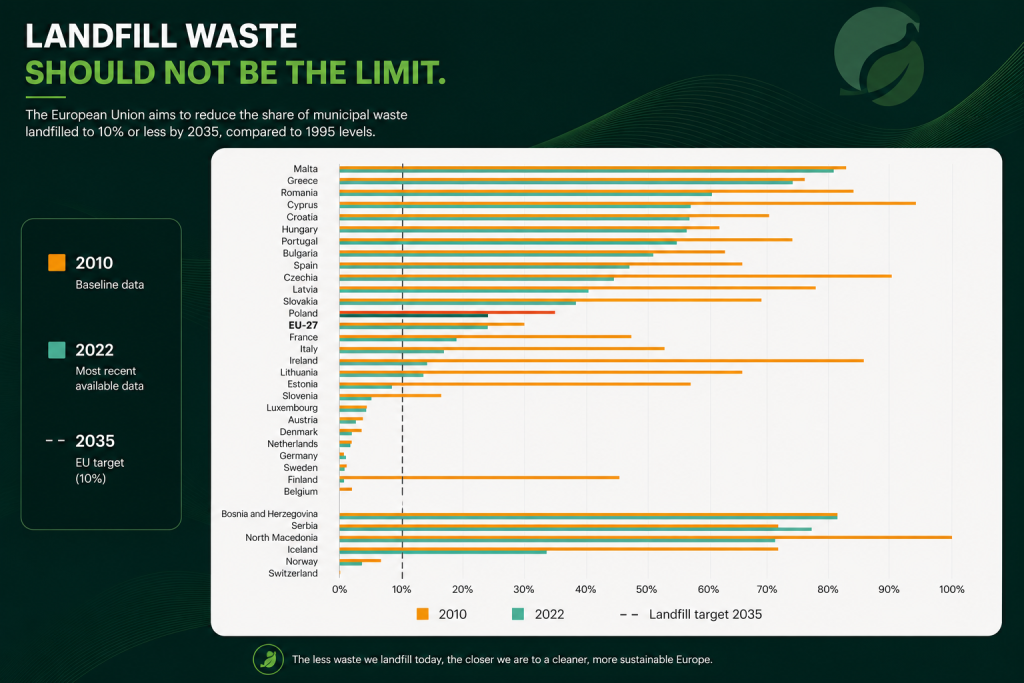
The target is to reduce the amount of municipal waste landfilled in landfills to 10% (by weight) or less of the total amount of municipal waste generated by 2035. The target may be postponed by up to five years under certain conditions. Even in this case, the amount of municipal waste landfilled must be reduced to at least 25% by 2035   

In the Central and South-Eastern European region, all Member States are in the 40-80% range, so 4 to 8 times more waste is going to landfill, with a loss of raw materials, additional methane emissions, and, more recently, a multiplying number of fire events. Moreover, there are regions where waste collection systems and even landfills are still lacking, or where waste is disposed of.  

 We aim to provide current information on the development options and financing related to waste collection and treatment, landfill and its operation, monitoring systems, leachate management, increasing fires, and practical operational issues such as emergency management, prevention technologies, and odour control.  

Source: Municipal waste landfill rates in Europe by country: EEA, 2024

Target groups of the conference: legislatorsrelevant authorities, waste management and circular economy experts, municipal waste landfill operators, public service companies, measurement and sampling companies, researchers 
OFFICIAL PROGRAMME

Language: English-Hungarian interpretation

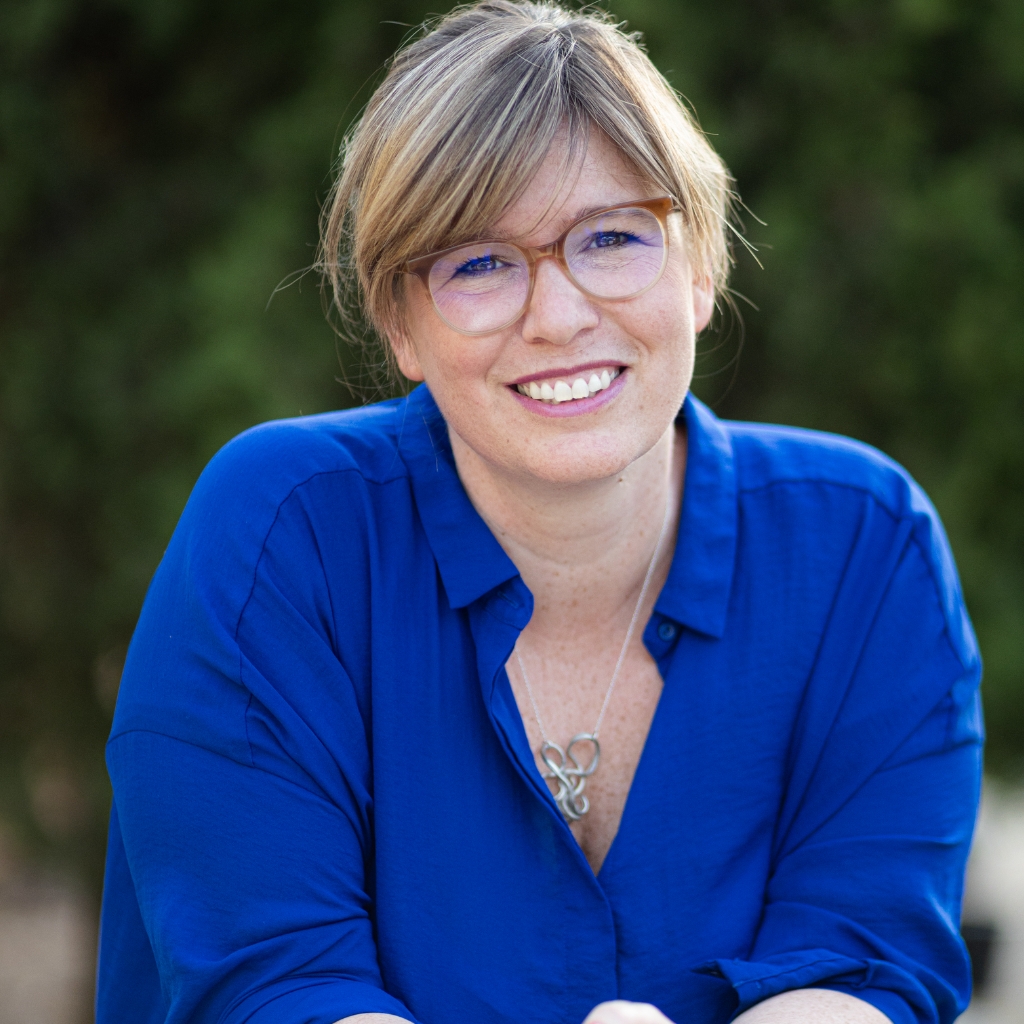
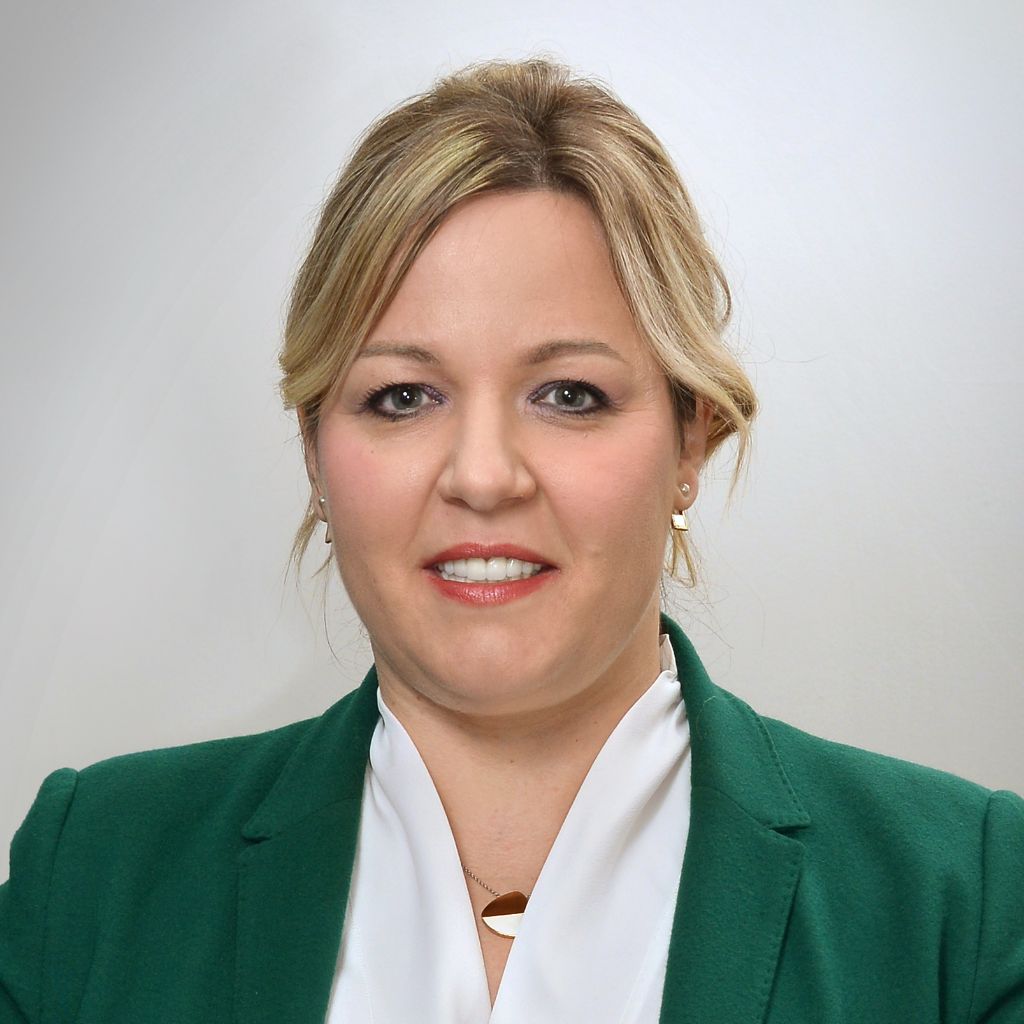
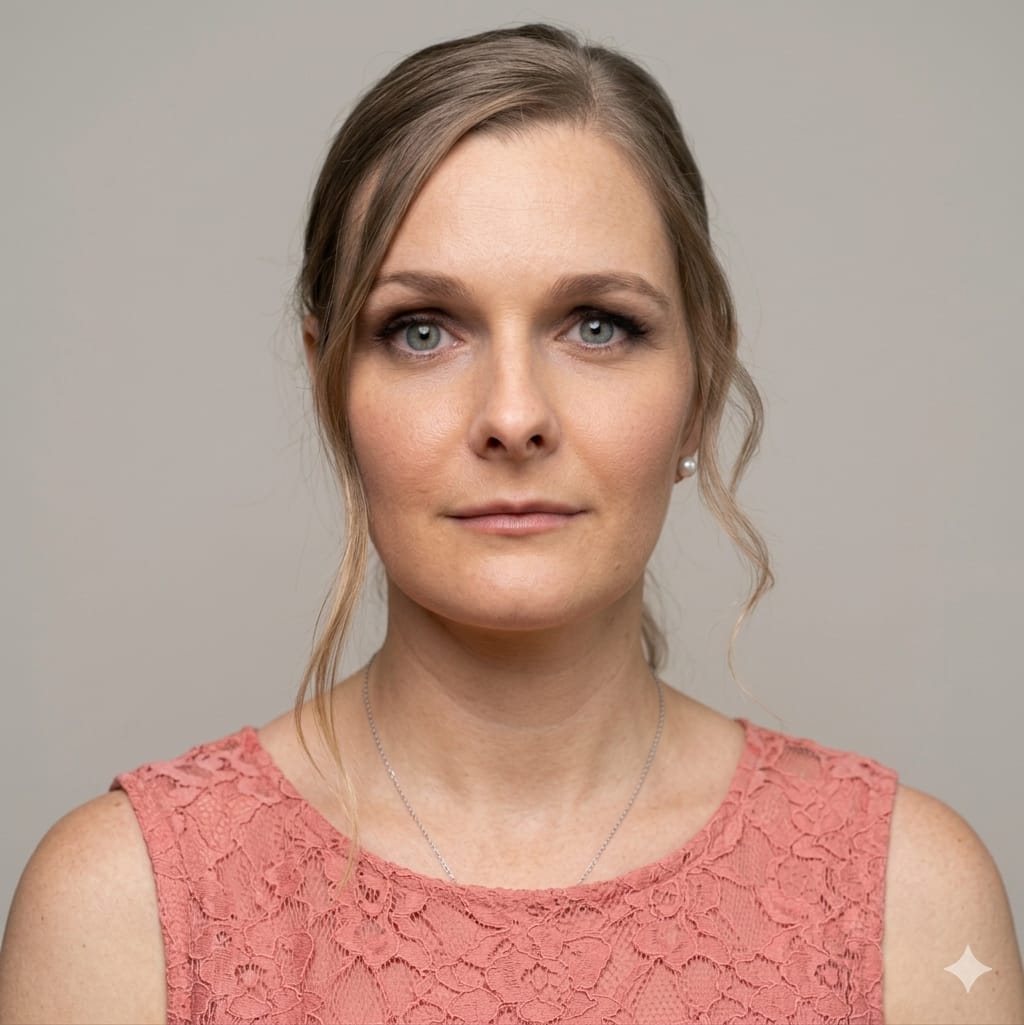
Moderator: Zsófia Tomaj

Managing Director, Accredited ESG Consultant, Vantage Point

The Big Picture Session

10.00 – Greetings and the big picture from ISWA

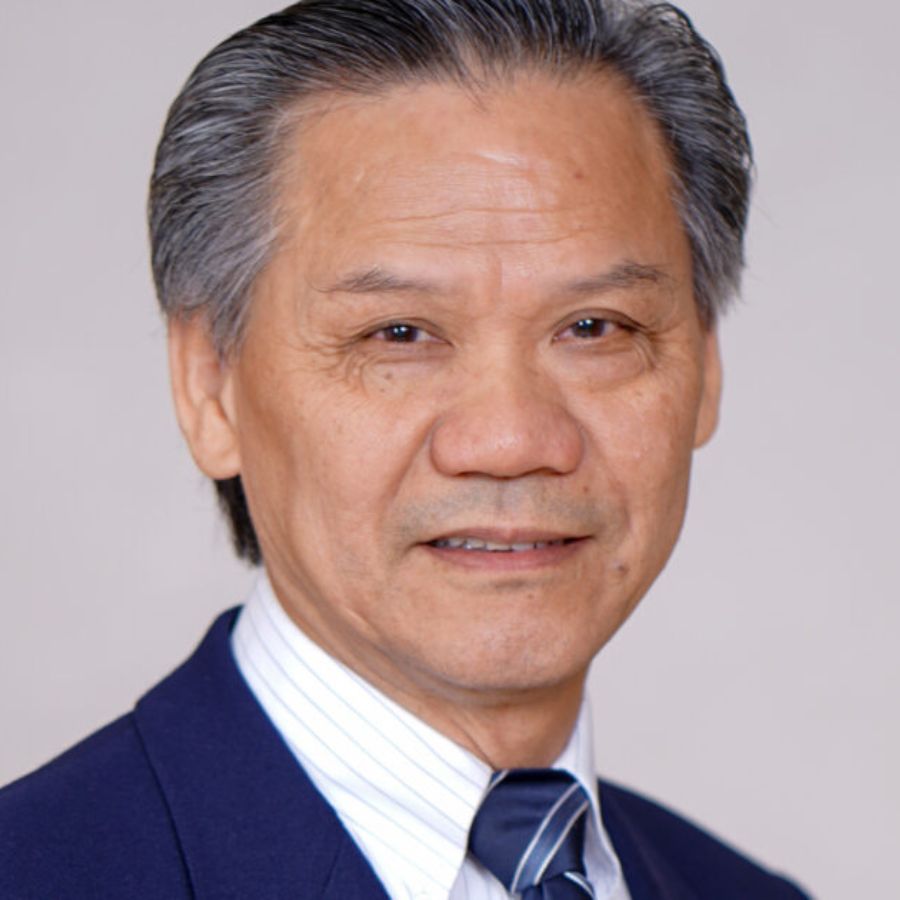
James Law, Chairman of ISWA

10.10 – Greetings and the vision of a new ministry

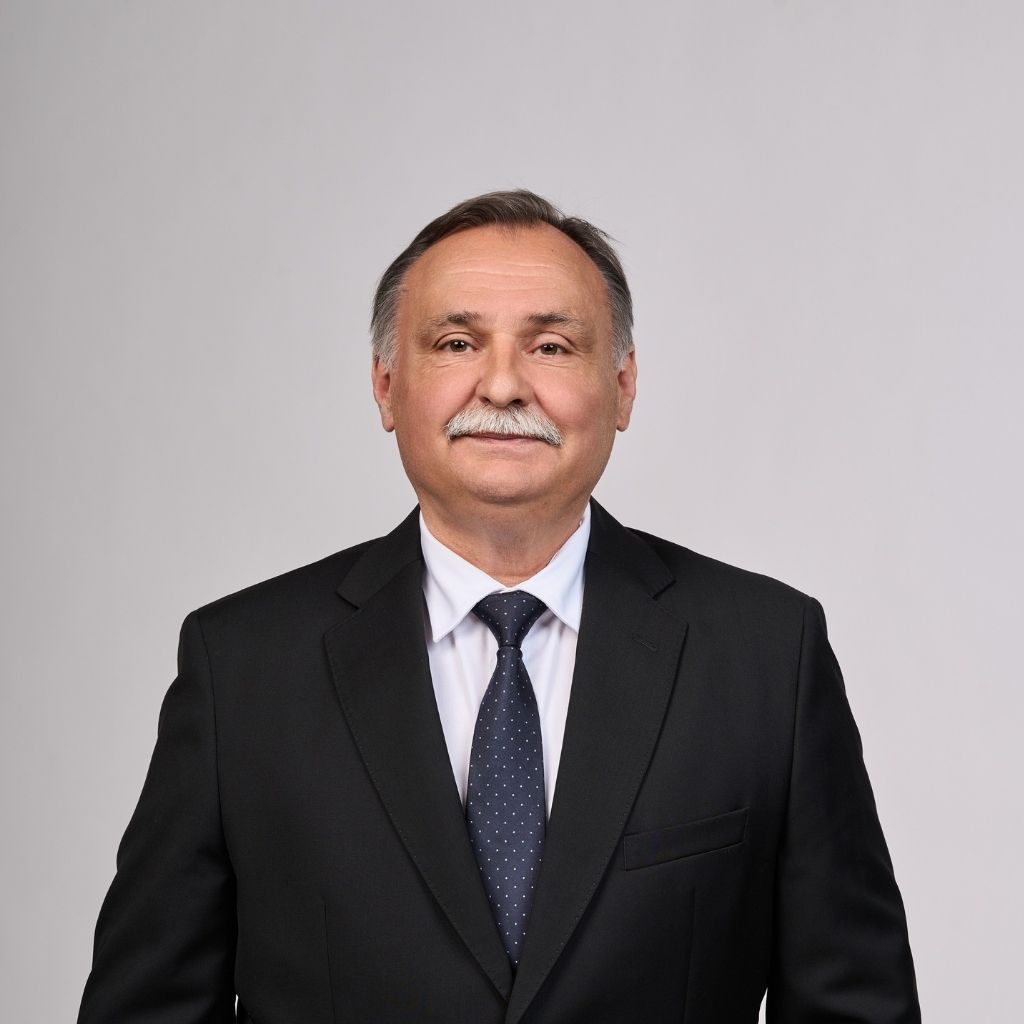
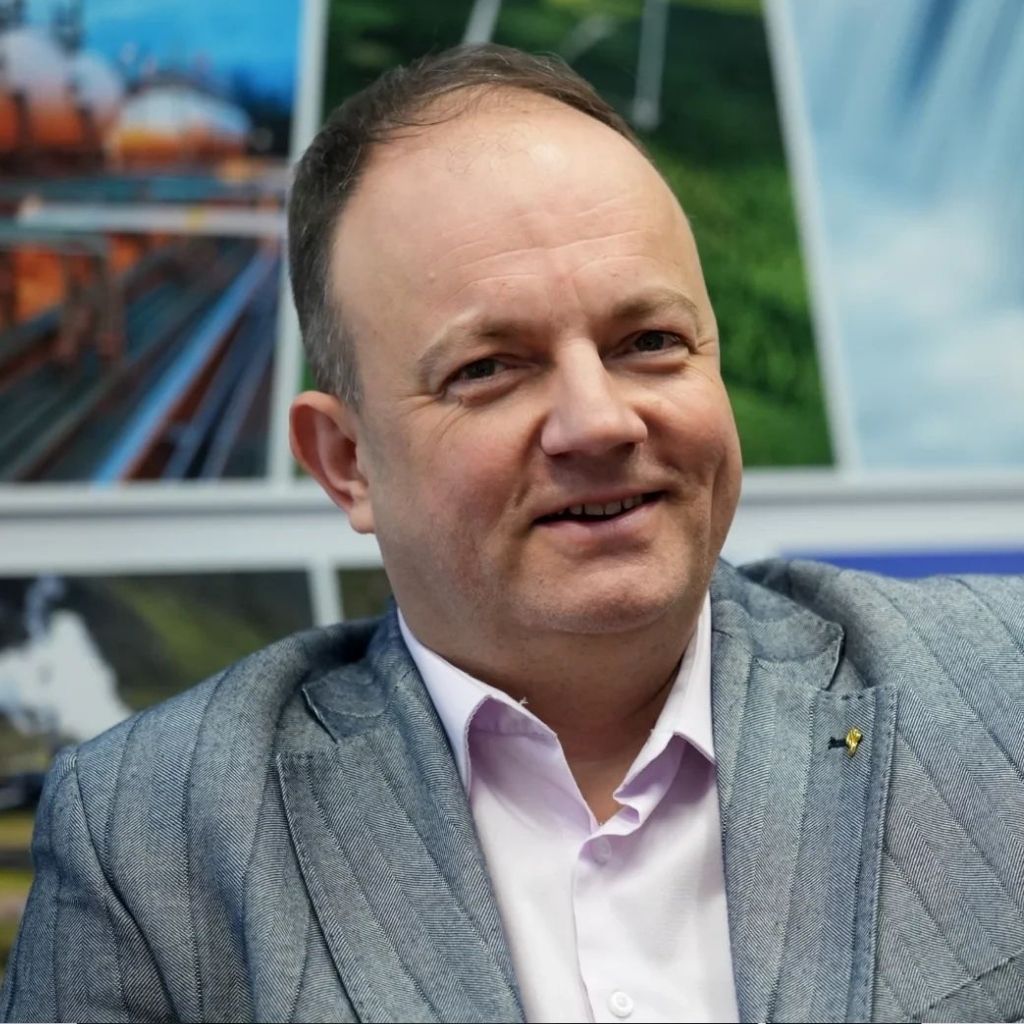
László Gajdos, Minister, Hungarian Ministry for Living Environment

10.20 Legislation background #1: EU-Legislation, BREF requirementand road to 10%

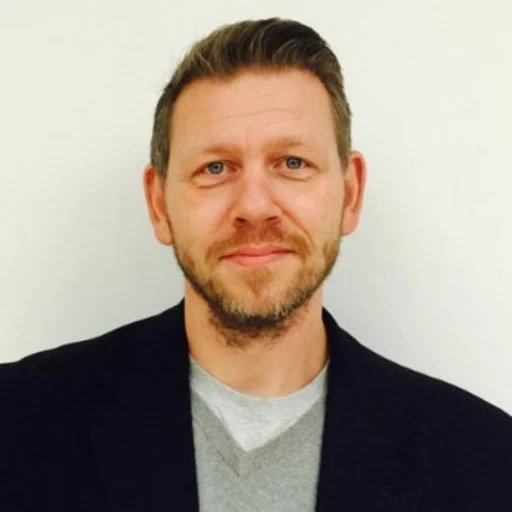
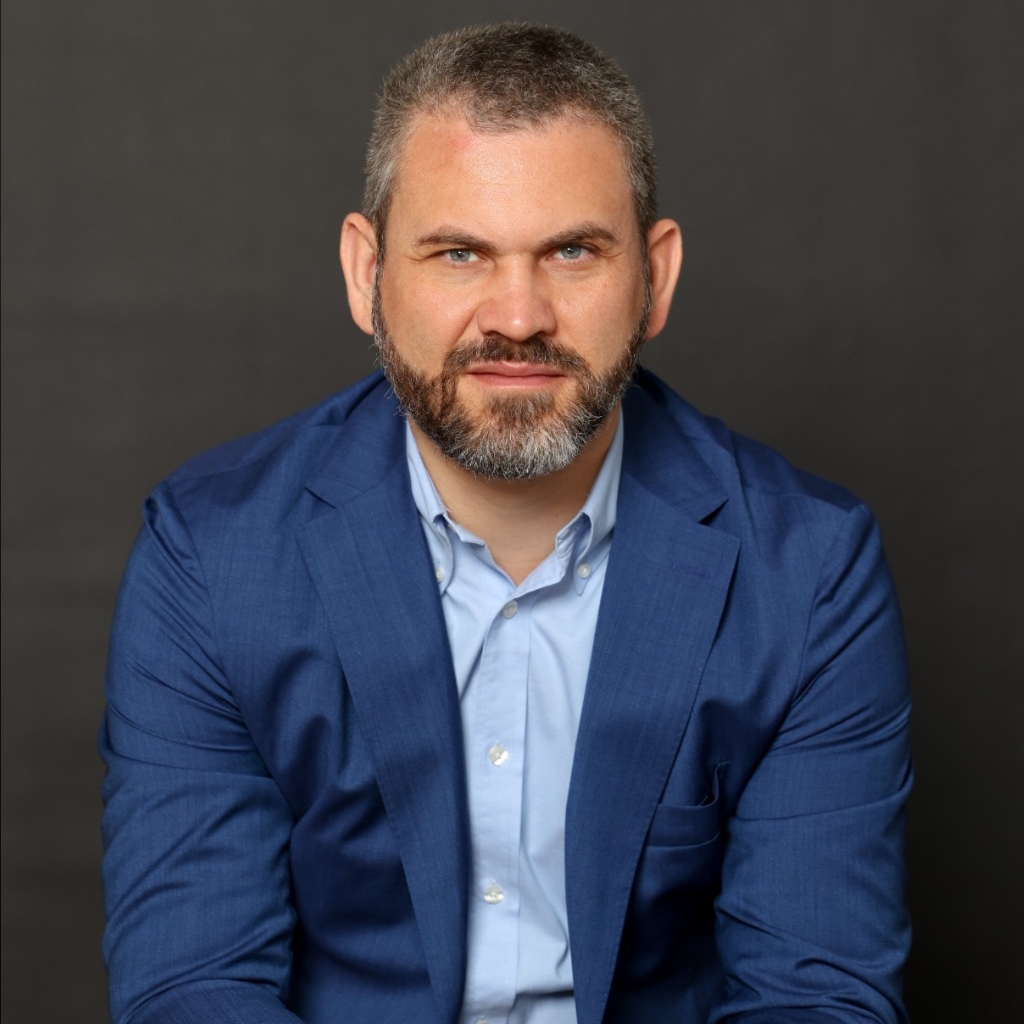
René Rosendal, Chair of ISWA Working Group on Landfill, partner at Danish Waste Solutions ApS, Senior Project Manager at AV Miljø Landfill

10.40 Legislation background #2: EPR schemes are the real Game-Changer?

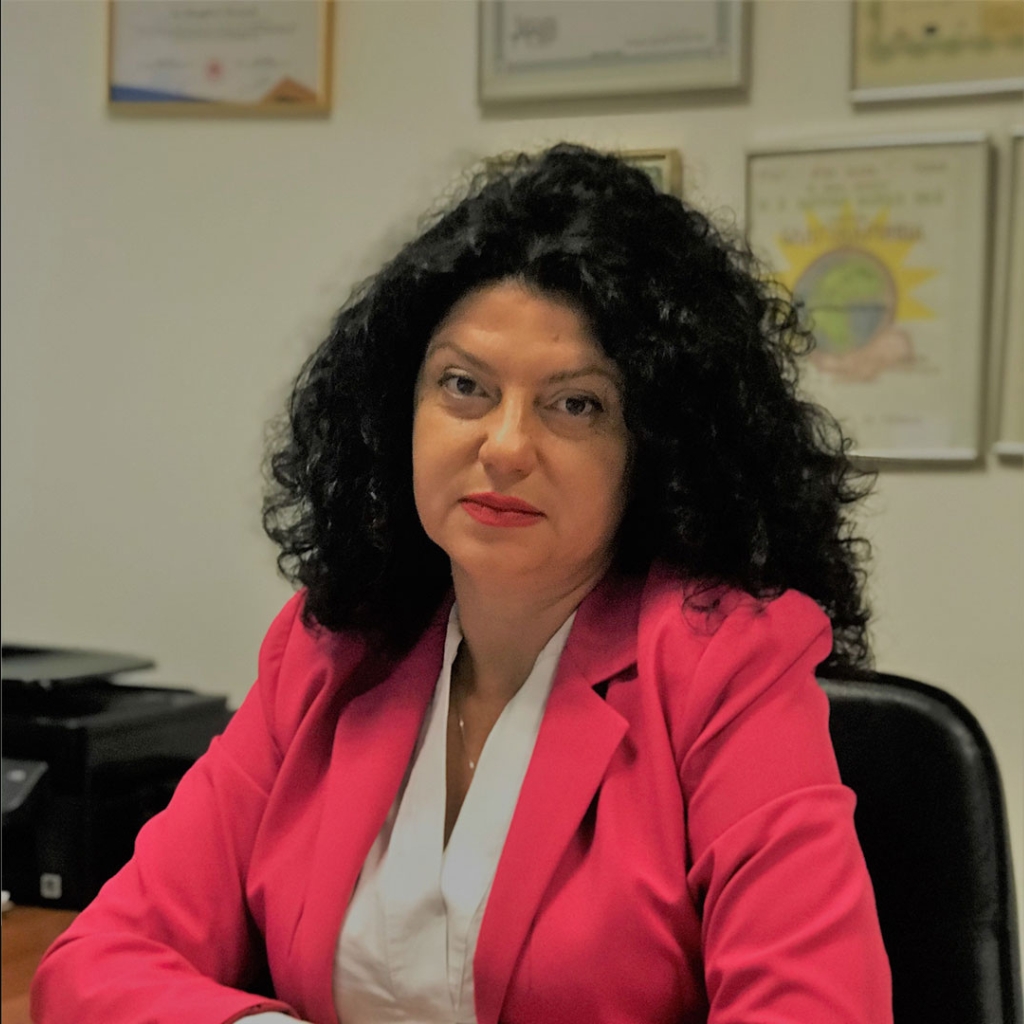
Dr. Krisztina Wegnersenior environmental lawyer and circular economy expert, First Development Ltd.

11.00 – Waste management issues in the region

Aleksandra Vucic Anic, Leader of ISWA Southeast European Chapter

11.20 – Q&A

11.30 – COFFEE BREAK

The Tech-Session

11.50 – Data-Driven Landfill Management: Monitoring Leachate Generation and Environmental Emissions

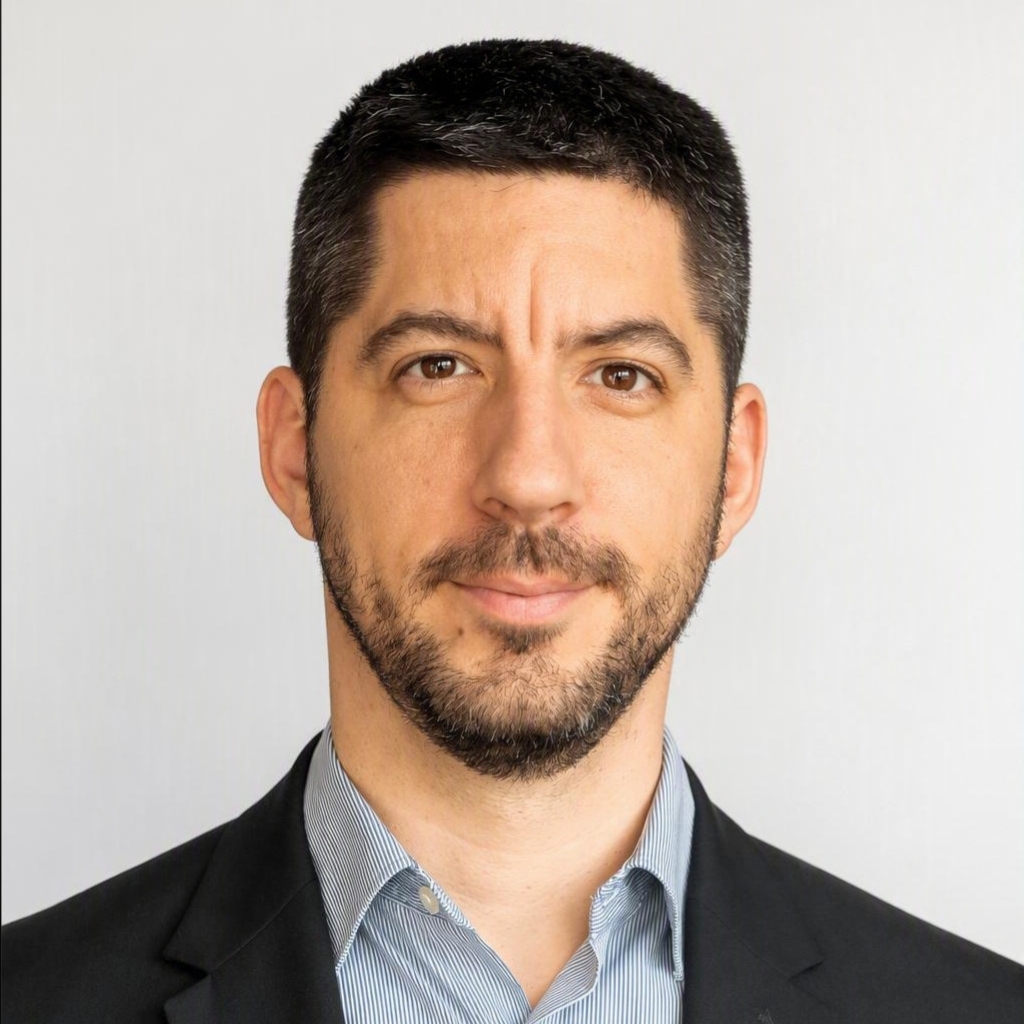
Erika Horváth, Managing Director, Klarwin Hungary Ltd.

12.05 – Technology as a Game Changer: Improving Waste Collection Services, Efficiency and Recycling Outcomes

Climent Vilatersana, Director Waste Strategy, MOBA Mobile Automation AG

12.20 – Landfill Capping and Environmental Management

Dr.-Ing. Jovanna Husemann, Head of Global Business Development, Name Group

12.35 – Landfill gas management and methane emission

Dr. László Aleksza, Associate Professor, Hungarian University of Agriculture and Life Sciences (MATE), Managing Director, Profikomp Ltd.

12.50 – Fire hazard in Waste Management, or Playing with Fire

Roland Ladányi, Managing Director, MiReHu Nonprofit Ltd.

13.05 – Aftercare and recultviation

Emanuele De Santis, Export Manager, Frisoli S.r.l.

13.20 The role of urban mining in sustainable raw material production – from waste to value

Prof. Dr. Gábor Mucsi, Dean, University Full Professor, University of Miskolc, Faculty of Earth and Environmental Sciences & Engineering

13.35 – Closing dumpsities – financing the switchover

James Law, Chairman of ISWA, Project Director at SCS Engingeers

13.50 – Q&A

14.00 – LUNCH BREAK & EXPO VISIT

15.00 – The session of National and International Sections

SECTION A – Country reports: 12′ each x6 speaker

Croatia

Lana Krišto, Chairman, HUGO/CROWMA

Hungary: Advanced Leachate Treatment: PFAS Removal and Water Reuse Using Reverse Osmosis

Erika Horváth, Managing Director, Klarwin Hungary Ltd.

Romania

Lucian Pavel, Head of the Environmental Department

Serbia: Landfills on Fire: Inadequate Disposal Practices, Air Pollution, and Health Impacts

Dejan Ubavin, Full Professor, Faculty of Technical Sciences, University of Novi Sad

North Macedonia: Financing landfill planning and building in accession countries

M.Sc.Ana Karanfilova Maznevska, Head of Waste Management Department, Environmental Administration, Ministry of Environment and Physical Planning, Republic of Macedonia

Ukraine: From mountain waste to cross-border risk: the problem of the landfill site in Rakhiv

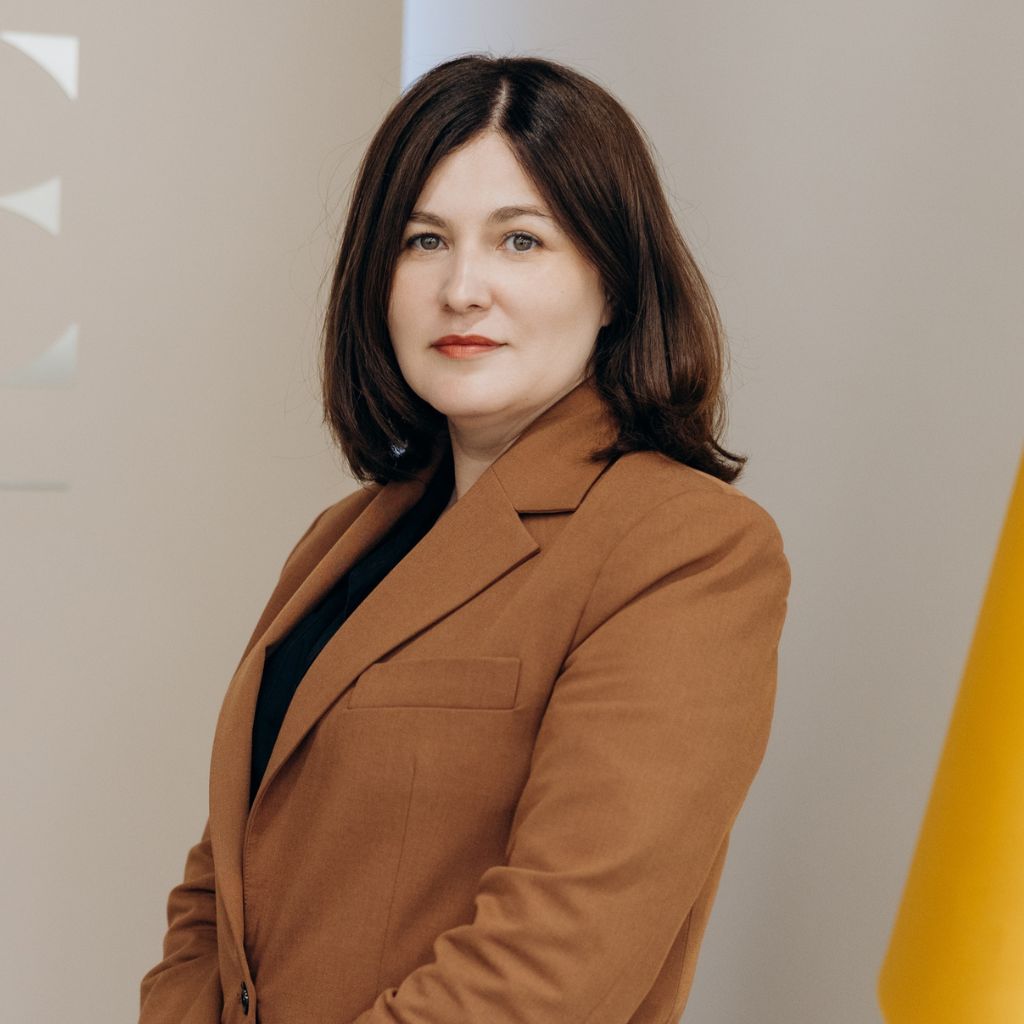
Nataliia Rizak, Owner&CEO JurEco Consulting LLC,  Head of the Agrоecology of Committee at PAEW

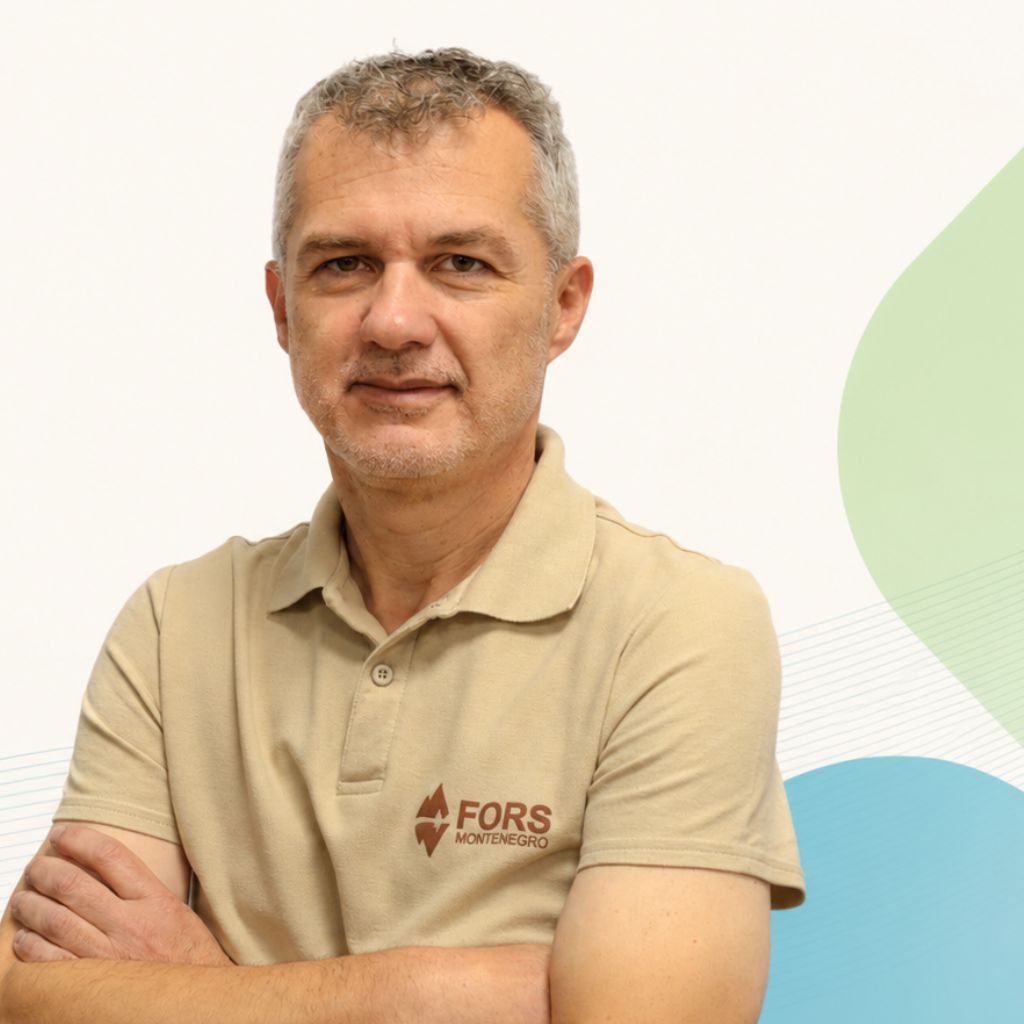
Montenegro: From High Landfill Dependence to an EU-Aligned Waste Management System – Current Gaps, Financing Needs and the Role of Municipalities

Veselin Sturanovic, Executive Director, FORS Montenegro

Q&A

15.00 – The session of National and International Sections

SECTION B – Hungarian section: 15′ each x5 speakers

Hungarian legislation – road to 10%, status quo, capacities, permitting

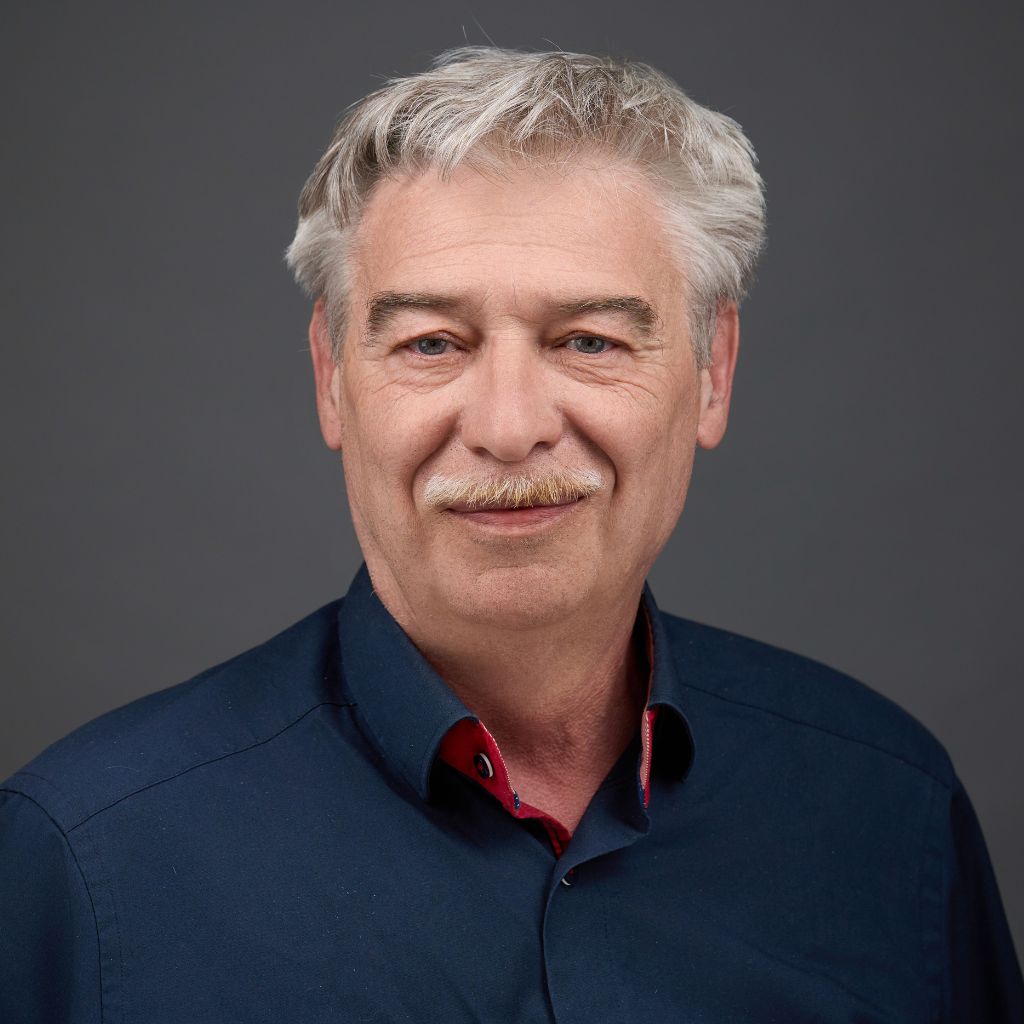
Csaba Markó, HAEE

Waste analysis – what goes to landfill?

Operational experience in light of landfill reduction requirements

Miklós Piskolczi, Director of Coordination and Investments, A.K.S.D. Urban Management Ltd.

Zero Landfill initiative

Attila Maxim Ferenczi, Reco Waste Management Ltd. 

What changed since MOHU?

  • How has the economic landscape for landfills changed?
  • What are the implications of the concession system?
  • What will be the future business and revenue model of landfills?

Q&A

16.15 – Closing remarks and next steps


Notice: ob_end_flush(): Failed to send buffer of zlib output compression (0) in /home/kszgyszh/public_html/wp-includes/functions.php on line 5581