
The second edition of ENVIRONTEC powered by ÖKOINDUSTRIA concluded successfully. At one of the leading environmental industry trade shows and business forums in Hungary and the Central and Eastern European region, professionals and interested visitors from 11 countries – in addition to Hungary – had the opportunity to explore the products, services, and innovations of a total of 100 exhibitors. László Gajdos, Minister of the Living Environment and the main patron of the event, also took part in the exhibition’s professional program.
At the trade show – just like at the first ENVIRONTEC two years ago—the most prominent domestic and international market players were in attendance. In addition to this year’s guest country, the Czech Republic, the participation of Austria, Greece, Croatia, China, Poland, Germany, Italy, Romania, Slovakia, and Taiwan strengthened international professional dialogue and regional partnerships. The expansion of Hungarian technologies into export markets was supported by the Green Balkan Forum and the related B2B business meetings, in the organization of which the HEPA Hungarian Export Promotion Agency with Enterprise Europe Network played a key role.
At the exhibition’s opening, Balázs Szilágyi, commercial director of HUNGEXPO, spoke about how extreme weather, water shortages, energy prices, waste management, and even the scarcity of resources are no longer merely theoretical environmental issues: they have become hard-and-fast business matters. They affect a company’s competitiveness, the cost of an investment, and a community’s water supply. “We launched the ENVIRONTEC powered by ÖKOINDUSTRIA exhibition two years ago, in collaboration with our professional partner, Hungarian Association of Environmental Enterprises (KSZGYSZ), precisely to offer potential solutions all in one place,” he said. The first time around, we were still talking about how we wanted to create a meeting place for the Hungarian and regional environmental industries. Today, we can say that this meeting place has been established—and has even outgrown the Hungarian market. This year, 100 exhibitors from 12 countries came to Budapest.
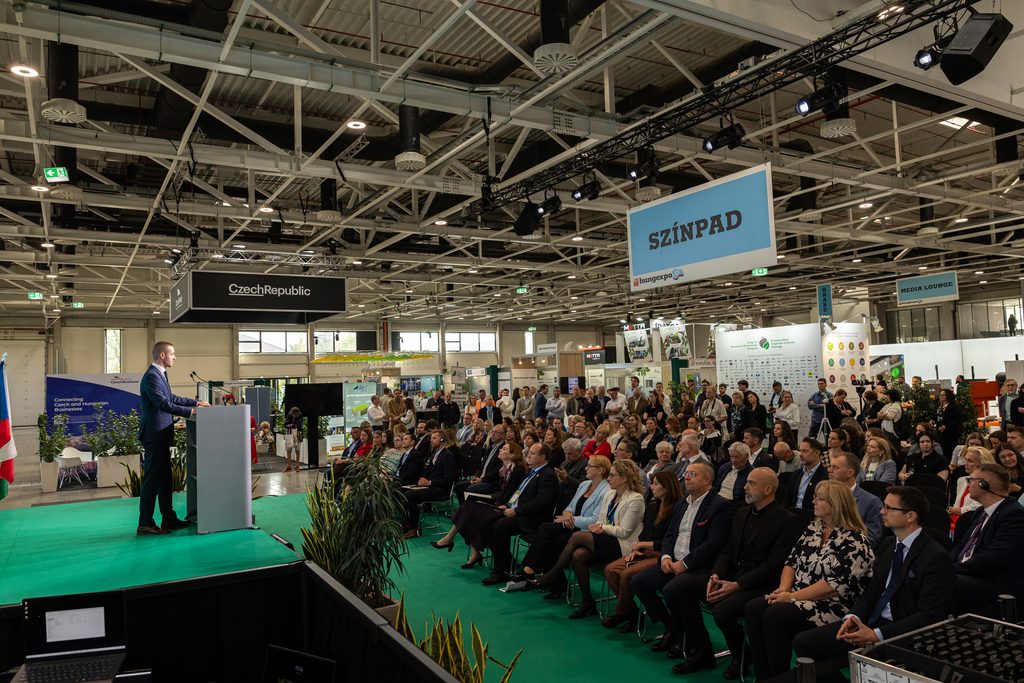
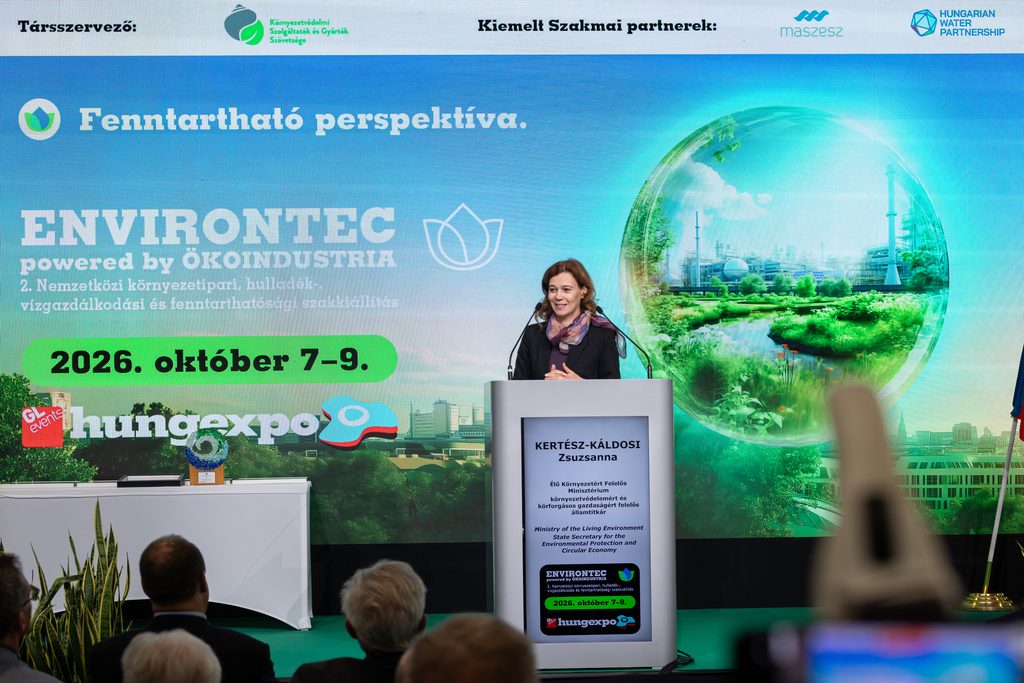
The event’s patron was László Gajdos, Minister for the Living Environment, and it was opened by Zsuzsanna Kertész-Káldosi, State Secretary for Environmental Protection and the Circular Economy at the Ministry for the Living Environment. In his speech, he said that the Ministry is counting on professionals from trade associations, academia, and industry, as well as businesses, researchers, and educators: “those who contribute to sustainability through active engagement in their daily lives.” We look forward to solutions and results that can inform public policy and that we can collectively put to use for the benefit of us all. This collaborative effort also serves the goals of the circular economy and the green transition,” – said the state secretary.
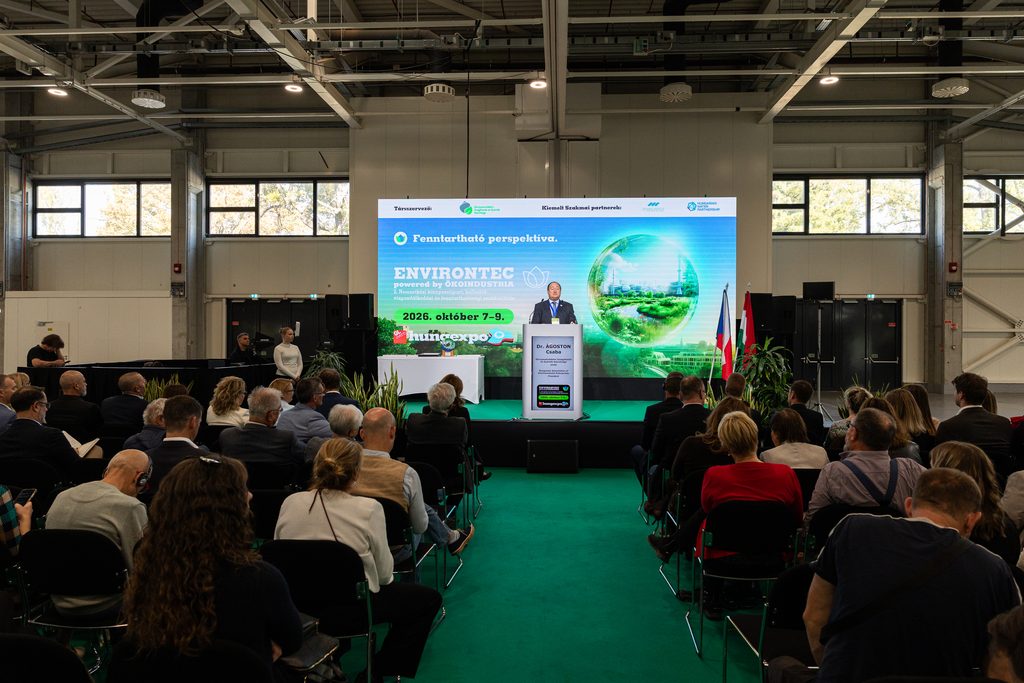
Dr. Csaba Ágoston, co-organizer of the exhibition and chairman of the Hungarian Association of Environmental Enterprises (KSZGYSZ), stated: “The environmental industry is no longer a follower; it develops solutions, exports, imports, creates markets, and builds competitiveness. That is why we believe it is important for ENVIRONTEC not only to showcase what already exists, but also to create opportunities for new collaborations.” Cooperation with the regions of Central and Southern Europe is particularly important to us, and we place special emphasis on it. That is why we are particularly pleased that the Czech Republic is this year’s guest country at the exhibition. The Czech Republic has a strong and innovative tradition in the environmental industry, which is why we are especially interested in learning about the technologies of the companies coming with Czech Trade Hungary,” said the president.
“We are pleased to present a delegation of leading Czech companies that are pushing the boundaries of sustainability from modern water management and smart waste management technologies to advanced materials and green energy.” This was stated by Adam Havel, head of the Budapest office of Czech Trade, the state export promotion agency, at the exhibition’s opening, adding that these companies also prove that “green innovation is in the Czechs’ DNA.”
Meetings, collaborations, sold-out conferences
Participants at this year’s event sought answers and sustainable solutions to pressing issues such as climate change, extreme weather, water security, resource scarcity, waste management, and increasingly stringent environmental regulations.
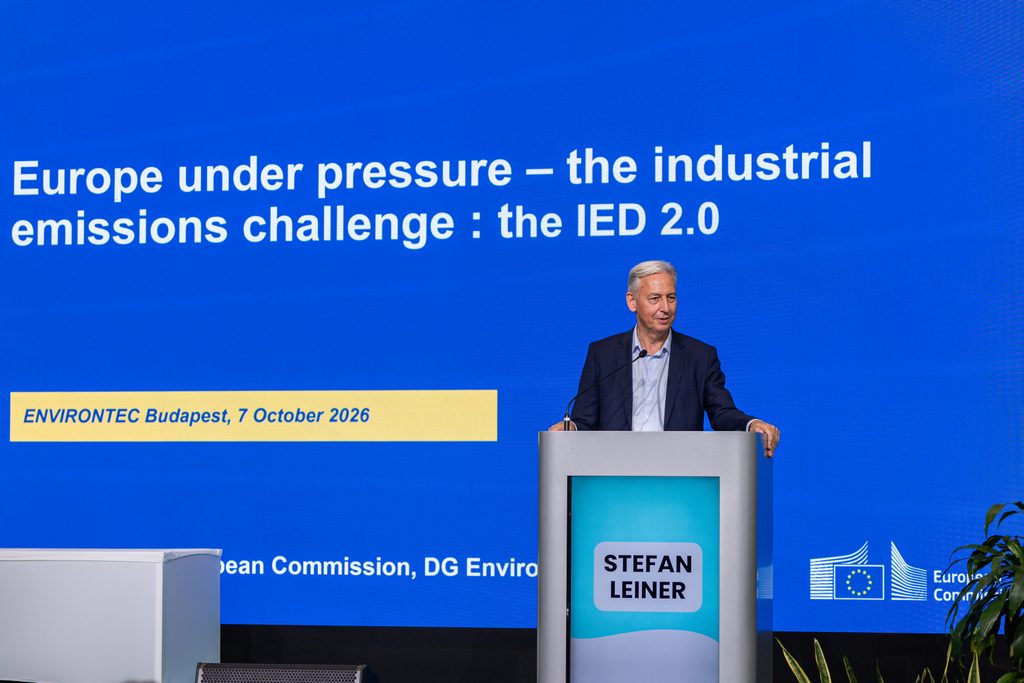
The opening presentations focused on changes in the regulation of industrial emissions, the need for European industry to adapt, and environmental challenges in Southeast Europe. In connection with these topics, the EU Environment Committee, the European Environment Agency (EEA), and the International Commission for the Protection of the Danube River (ICPDR) attended the event.
RE-BROWN focused on remediation and keeping brownfield sites in the circular economy, while the water management program sought industrial and societal responses to the water crisis. At the professional forum titled “Water Crisis or Water Revolution?” organized by the Hungarian Water Association, local governments, water utility providers, policymakers, developers, technology and water industry companies, scientific and financial stakeholders, and representatives of professional organizations jointly discussed solutions that could contribute to the development of a long-term sustainable, efficient, and safe water management system. Water management was also the focus of the conference titled “Water Sector Partnerships in the Carpathian Basin and Beyond” At this event, water associations, utility providers, government agencies, and international organizations discussed how strategic partnerships and cross-border cooperation can strengthen water security, resilience, and sustainable water management in the Carpathian Basin and beyond.
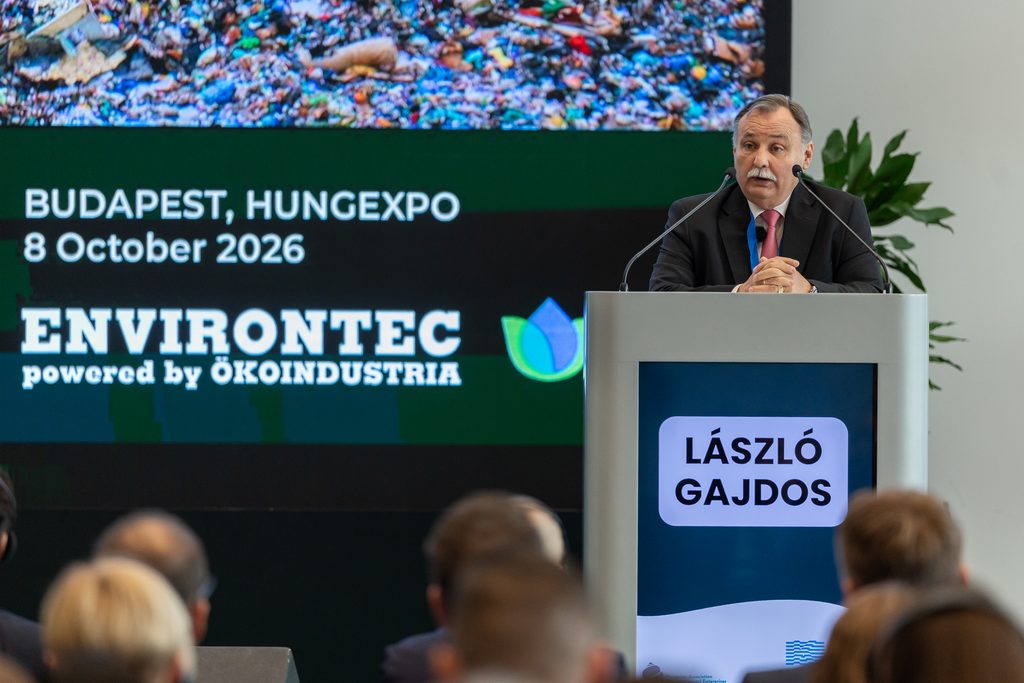
On the second day of the exhibition, at the conference titled “Landfilling – Last Resort?”, László Gajdos, Minister for the Living Environment, stated that “Hungary’s waste management system, along with the concession system, requires a complete overhaul.” He added that there is a need for more recycling centers, more efficient waste management, more modern technologies, and products made from recyclable materials, and that selective collection by residents must be simplified.
At the exhibition, the ENVIRONTEC powered by ÖKOINDUSTRIA Award was presented based on the decision of the expert jury. This year’s winner was the solar-powered smart trash can with a compacting function developed by Zöldfal Ltd., a subsidiary of the Karsai Group.
Smart trash is an innovative, solar-powered public waste collection system that combines renewable energy, smart data communication, and integrated waste compaction to create a sustainable, more livable urban environment. Thanks to IoT-based capacity monitoring, city operators can organize waste collection in a targeted manner based on real-time data, reducing the number of unnecessary pickups, operating costs, and harmful emissions from transportation.
The built-in compaction mechanism increases the physical capacity of the 120- and 240-liter internal containers by up to five times, while the system operates exclusively on solar power. The internal collection bin, made from 100% recycled plastic, embodies the principles of the circular economy. The enclosed, vandal-proof design contributes to cleaner, more orderly public spaces, reduces litter, and helps minimize unpleasant odors.
According to the data provided, the introduction of this system could reduce the number of public waste collection routes by as much as 80%, which could result in significant savings in fuel, labor, and overall costs. The 195 × 75 cm advertising space on the equipment provides an additional revenue stream for municipalities and operators, helping to ensure a return on investment.
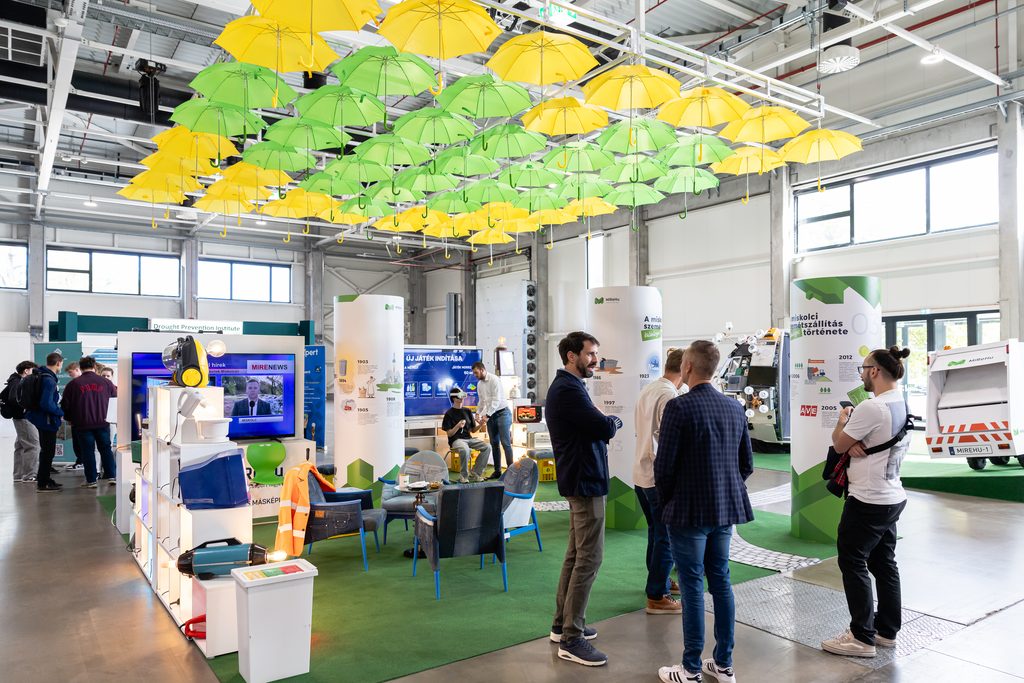
MiReHu Non-profit Ltd.. won the Audience Award. The Miskolc-based company used a spectacular installation to illustrate the challenges of waste management in a large city and drew attention to the possibilities for handling and reusing hazardous waste.