
The ENVIRONTEC RE-BROWN international conference explored modern technologies, emerging contaminants and the opportunities offered by brownfield regeneration.
Thirty years after the launch of Hungary’s National Environmental Remediation Programme, the country’s remediation sector is facing a new set of challenges and opportunities. Held on 9 October as part of ENVIRONTEC powered by ÖKOINDUSTRIA, the RE-BROWN – Remediation and Brownfield Development conference examined how regulation, technological innovation and site regeneration are interconnected.
Thirty Years of Experience – A New Set of Challenges
The KSZGYSZ conference was opened by Gergely Tóth, professional lead of the Remediation and Damage Control Working Group. Gábor Hasznos, an expert at the ministry responsible for the living environment, outlined plans to renew the institutional and funding framework. The new EU Soil Monitoring Directive recognises soil as a natural resource that must be protected and introduces new requirements for investigating, registering and managing contaminated sites.
International Experience and On-Site Solutions
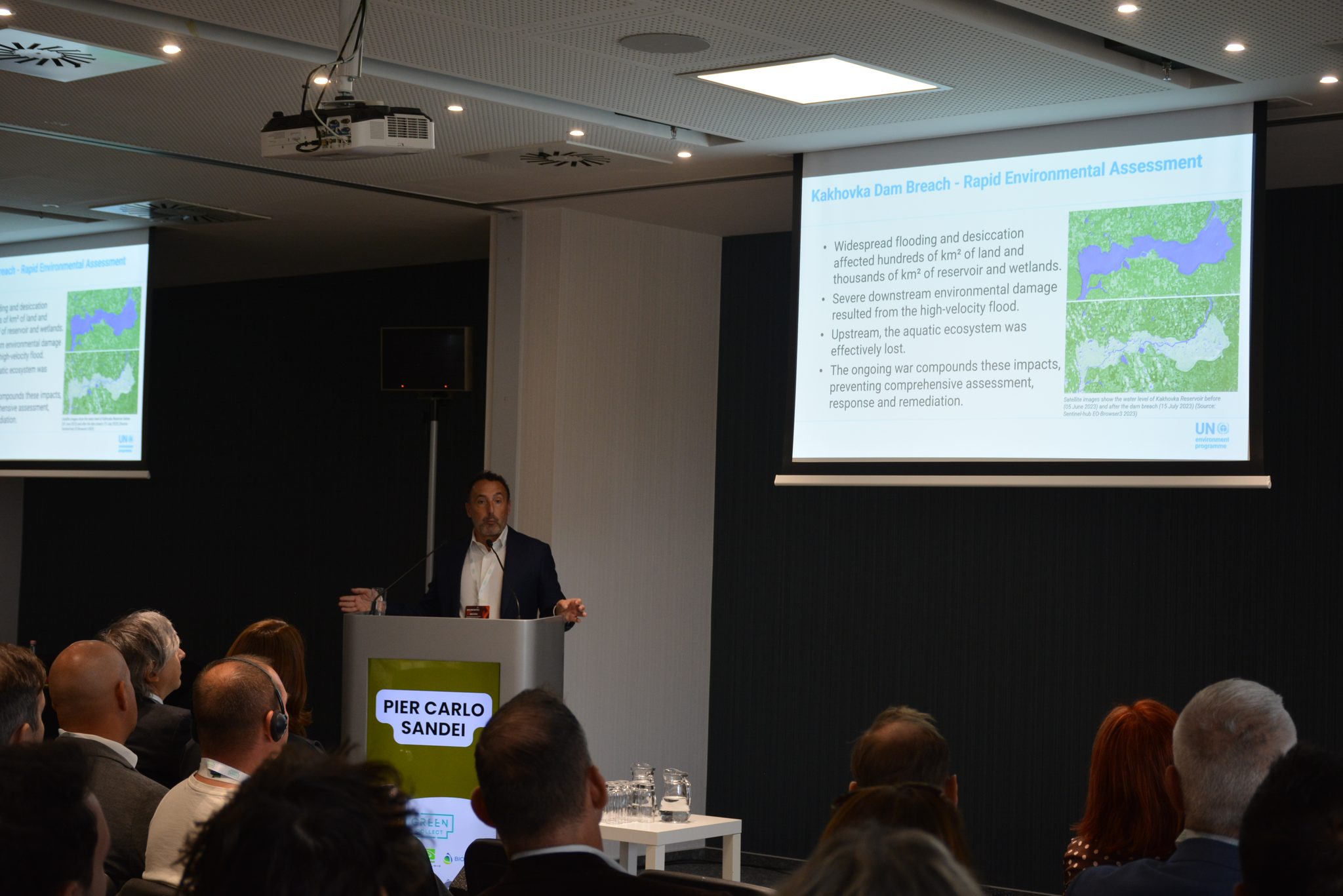
Pier Carlo Sandei, the United Nations Environment Programme’s representative in Ukraine, discussed responses to wartime environmental damage; Dr Dragana Vidojević examined industrial pollution in the Western Balkans; and Dr Marco Falconi presented innovative remediation techniques. Their shared conclusion was that priority should be given to resource-efficient, in-situ technologies rather than excavating and disposing of contaminated soil.
Hungarian Case Studies and Emerging Contaminants
The Hungarian presentations drew on industrial incidents and brownfield sites to illustrate the technical, legal and financial challenges involved in remediation. Topics included PFAS compounds, materials used in the battery industry, the modernisation of measurement methods and threshold values, and lessons learned from the management of asbestos contamination. The case studies also featured remediation systems powered by renewable energy.
Remediation Is an Investment in the Future
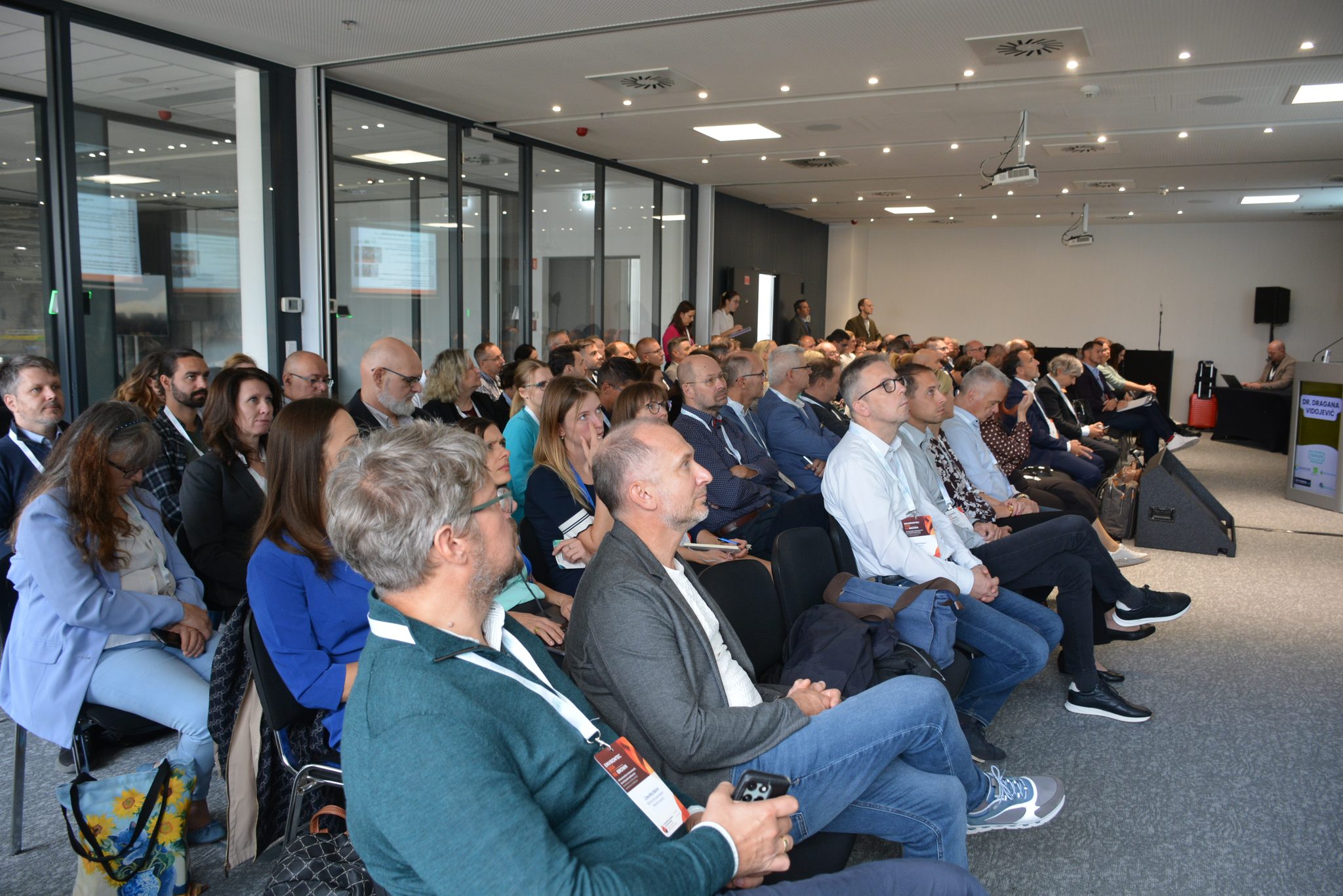
One of RE-BROWN’s key messages was that tackling environmental damage and regenerating brownfield sites must go hand in hand. Once made safe, disused industrial sites can be brought back into use for new economic and community purposes. At the same time, scientific advances and increasingly stringent EU regulation may mean that some remediation projects previously considered complete need to be reassessed. Achieving this will require modern regulation, predictable funding, innovative technologies and close collaboration.