
At ENVIRONTEC 2026, experts from the European Commission, European Environment Agency and International Commission for the Protection of the Danube River explored the future of industrial emissions, environmental resilience and water protection.
The opening conference session organised by the Hungarian Association of Environmental Enterprises (HAEE/KSZGYSZ) on 7 October at ENVIRONTEC powered by ÖKOINDUSTRIA 2026 brought together three complementary perspectives on Europe’s environmental challenges. The central message was clear: environmental protection and industrial competitiveness must advance together, supported by innovation, reliable data and effective regulation.
IED 2.0: Stronger Environmental Standards and Industrial Innovation
Stefan Leiner from the European Commission’s Directorate-General for Environment presented the revised Industrial Emissions Directive (IED 2.0), covering approximately 37,000 major industrial installations and 35,000 large pig and poultry farms.
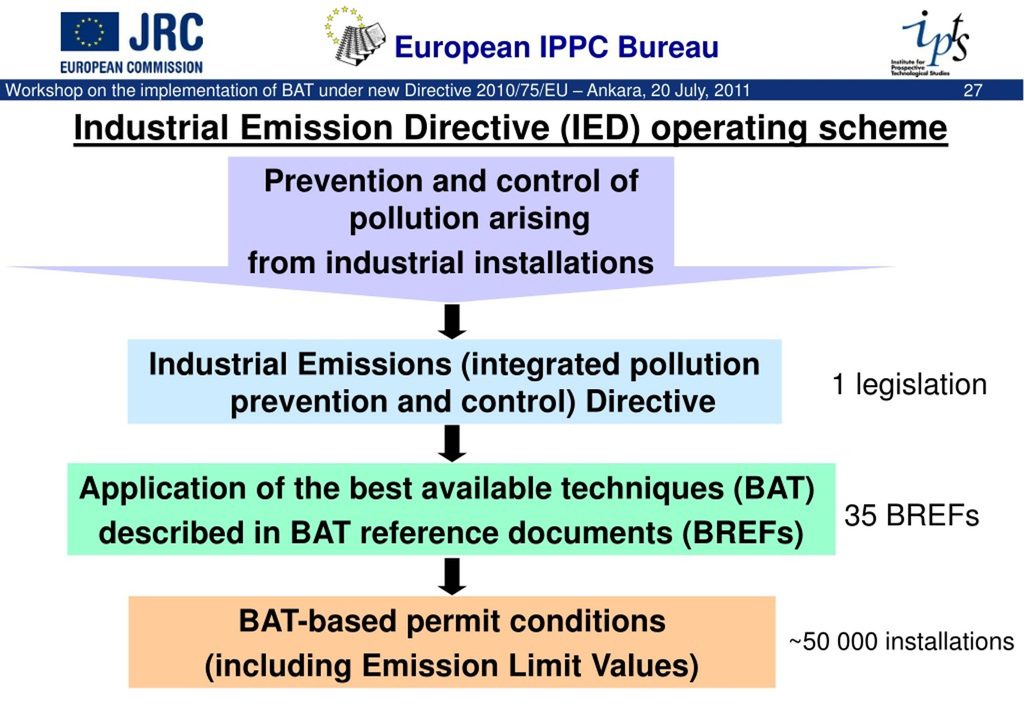
The revised framework strengthens the role of Best Available Techniques (BAT), resource efficiency, circularity and hazardous substance substitution while promoting streamlined permitting and digitalisation. The new INCITE innovation centre aims to accelerate the deployment of emerging environmental technologies.
Europe’s Environment: Progress, but Persistent Warning Signs
Milan Chrenko from the European Environment Agency presented key findings from Europe’s Environment 2025. EU greenhouse gas emissions have fallen by 37% since 1990, yet biodiversity loss, water scarcity, soil degradation and unsustainable resource consumption remain major concerns.
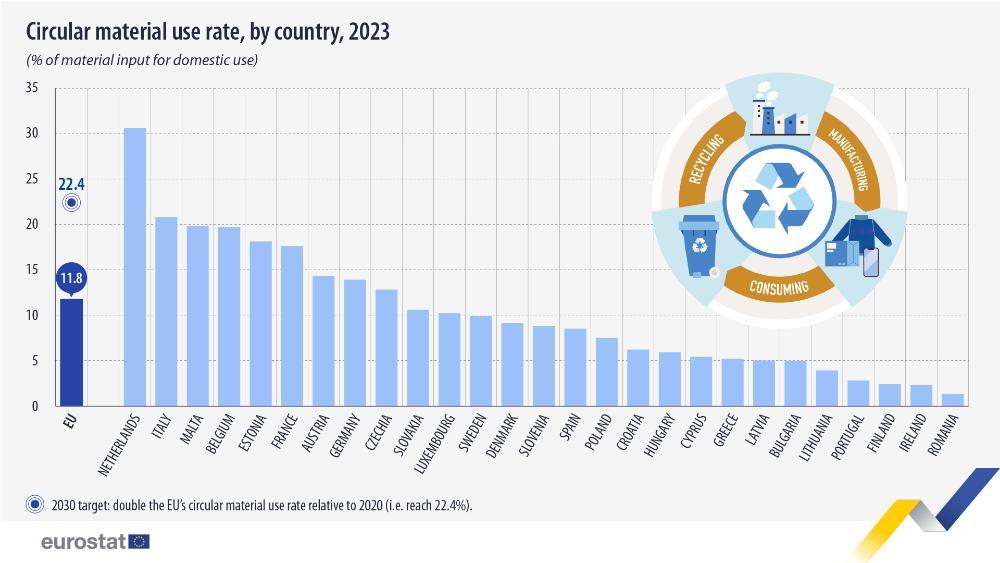
With Europe’s circular material use rate at only around 12%, the transition to a circular economy remains too slow. The EEA emphasised that implementing existing environmental legislation and transforming production and consumption systems are essential for long-term resilience and prosperity.
The Danube: Emerging Pollutants and Growing Climate Pressures
Birgit Vogel, Executive Secretary of the International Commission for the Protection of the Danube River (ICPDR), shared preliminary findings from the fifth Joint Danube Survey (JDS5), involving more than 100 institutions.
The survey investigates over 2,300 targeted chemical pollutants per sample. Initial results identified exceedances of environmental quality standards for several persistent pollutants, including PFAS and bisphenol A. Fish samples revealed particularly serious contamination concerns involving PFAS, mercury and dioxins.
Increasing drought and reduced river flows may further intensify pollution pressures, reinforcing the need for coordinated, basin-wide monitoring and effective pollution prevention.
The Key Takeaway: Environmental Performance Is a Competitive Advantage
Together, the presentations demonstrated that reducing industrial emissions is not simply a regulatory obligation but an opportunity for technological development and economic transformation.
Advanced monitoring, pollution prevention at source, resource efficiency and innovative environmental technologies will be increasingly important for European industry.
ENVIRONTEC 2026 reinforced a fundamental message: sustainable industrial operations are no longer separate from competitiveness — they are becoming essential to it.