The event is the closing conference of the Interreg Danube Aquatic Plastic project. The project aims to reduce macro- and microplastic pollution, encourage research, data sharing and joint action across the entire Danube river basin. The AQPLA consortium, comprising diverse stakeholders from 10 countries, including ministries, NGOs, universities, and water authorities, aims to indetify high-risk waste-leakage points and develop innovative solutions for extraction and recycling.
Date: May 28, 2026 (Thursday)
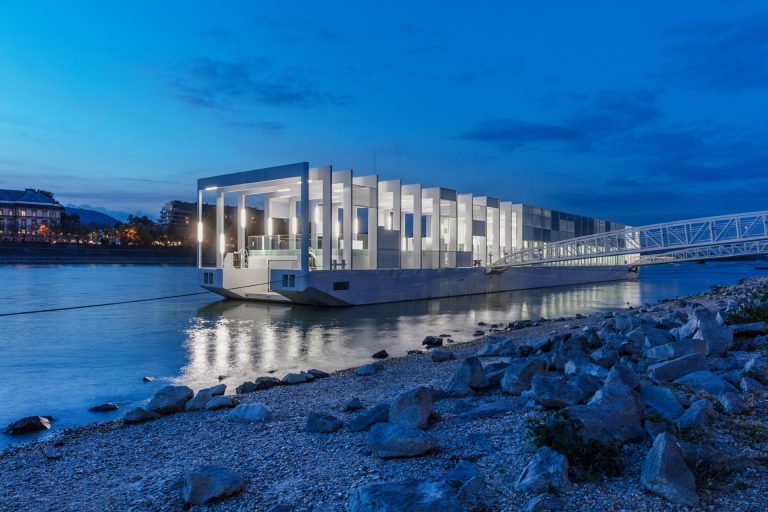
Venue: Stopper Floating Event Center (1138, Budapest, Moszkva sétány)
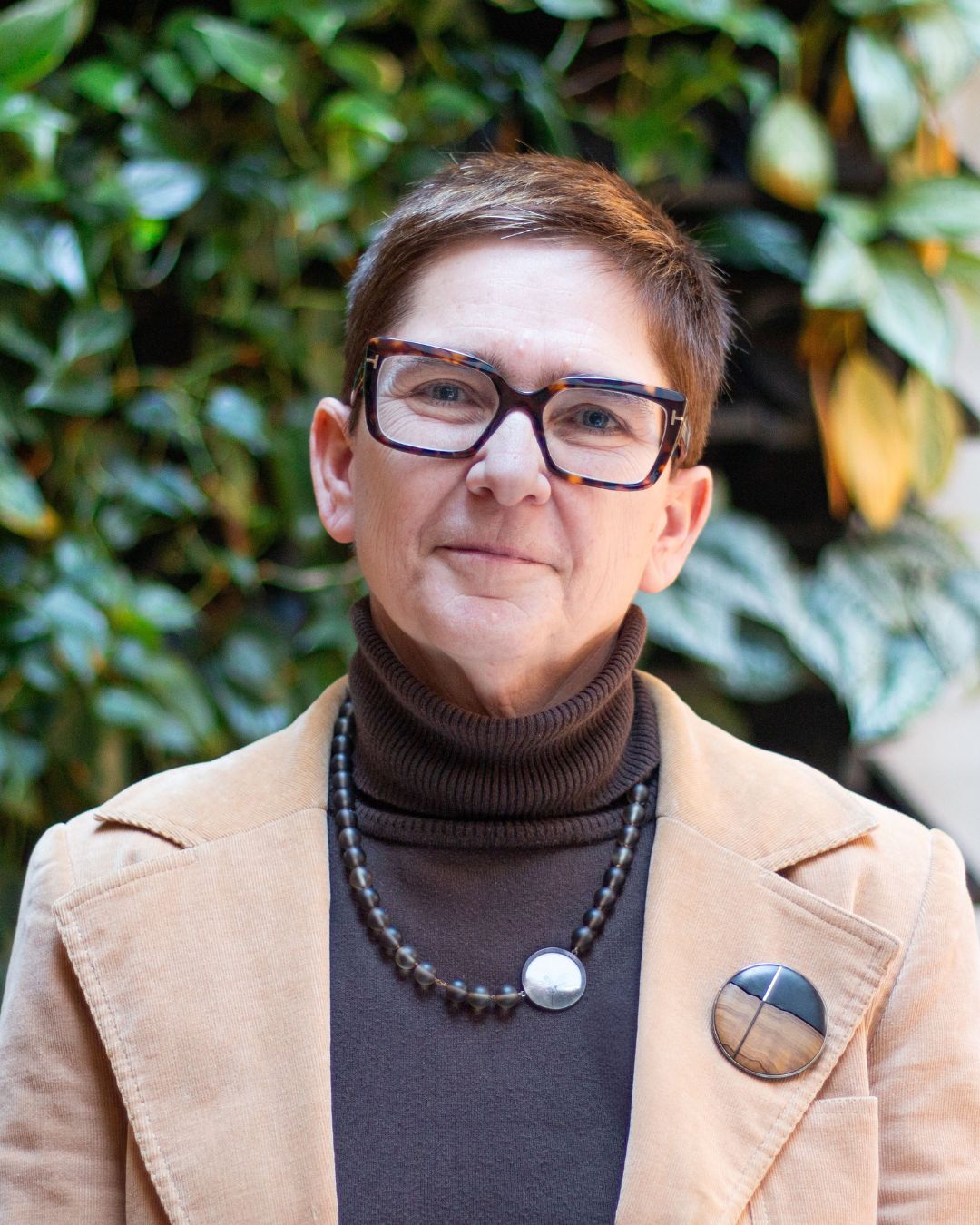
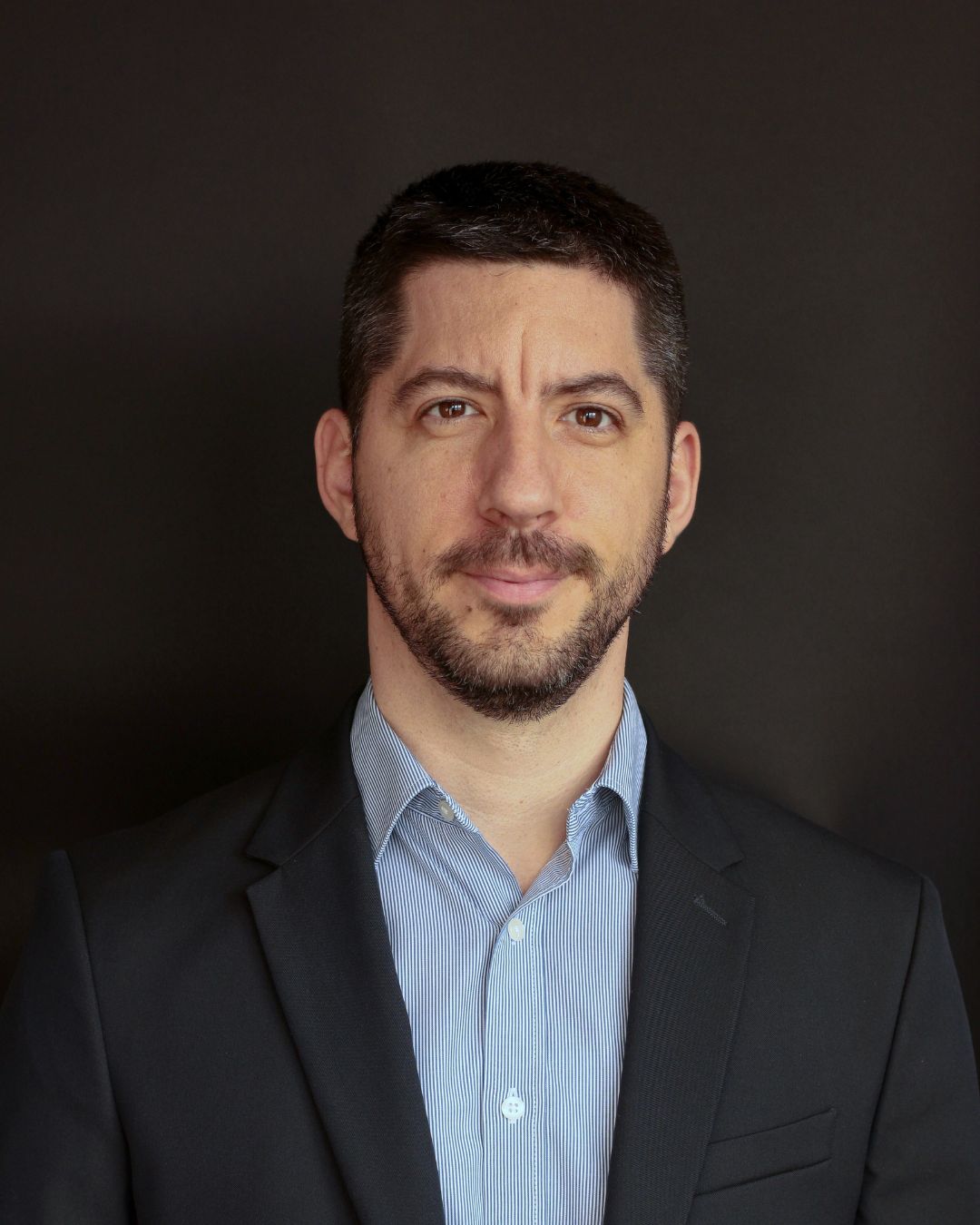
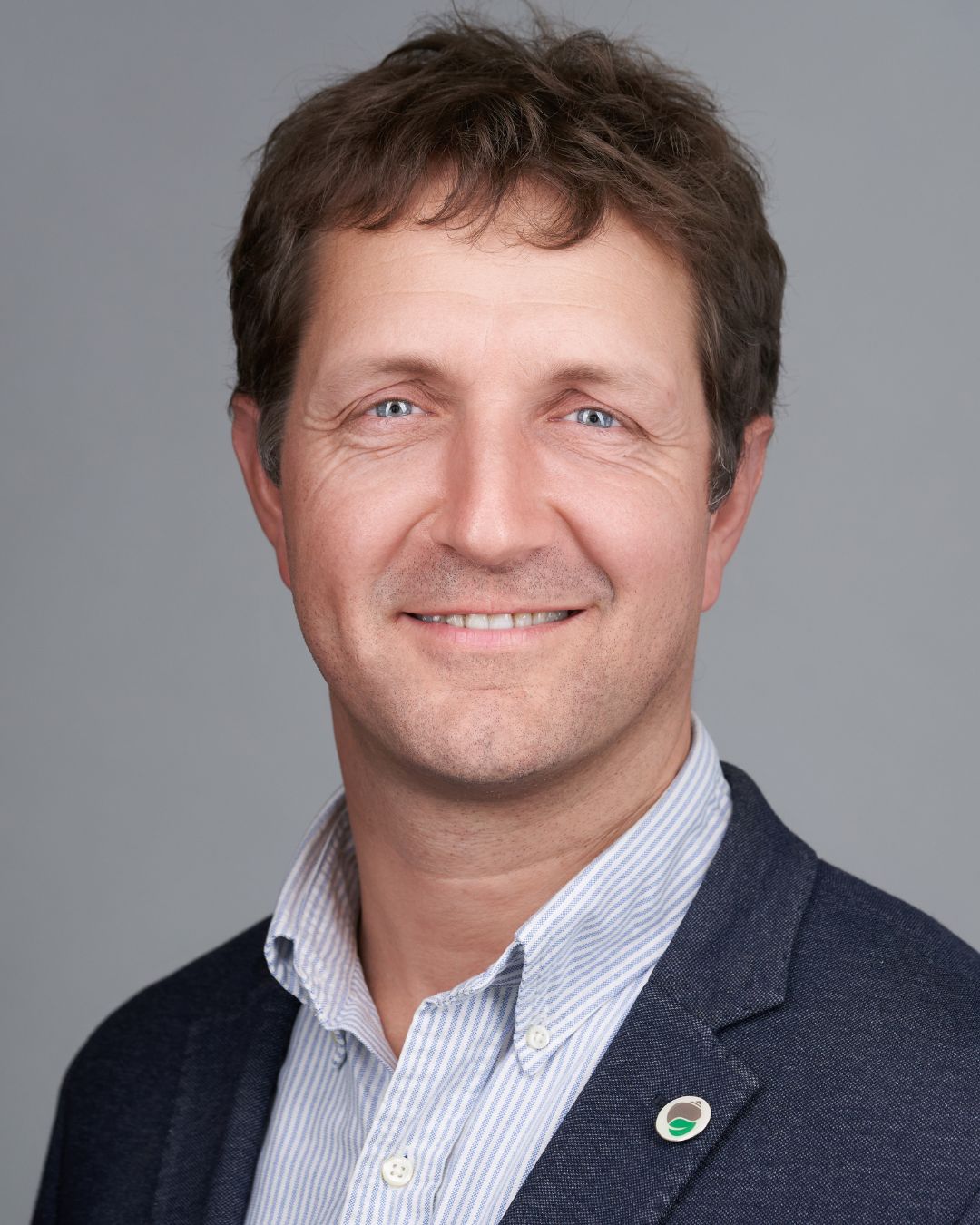
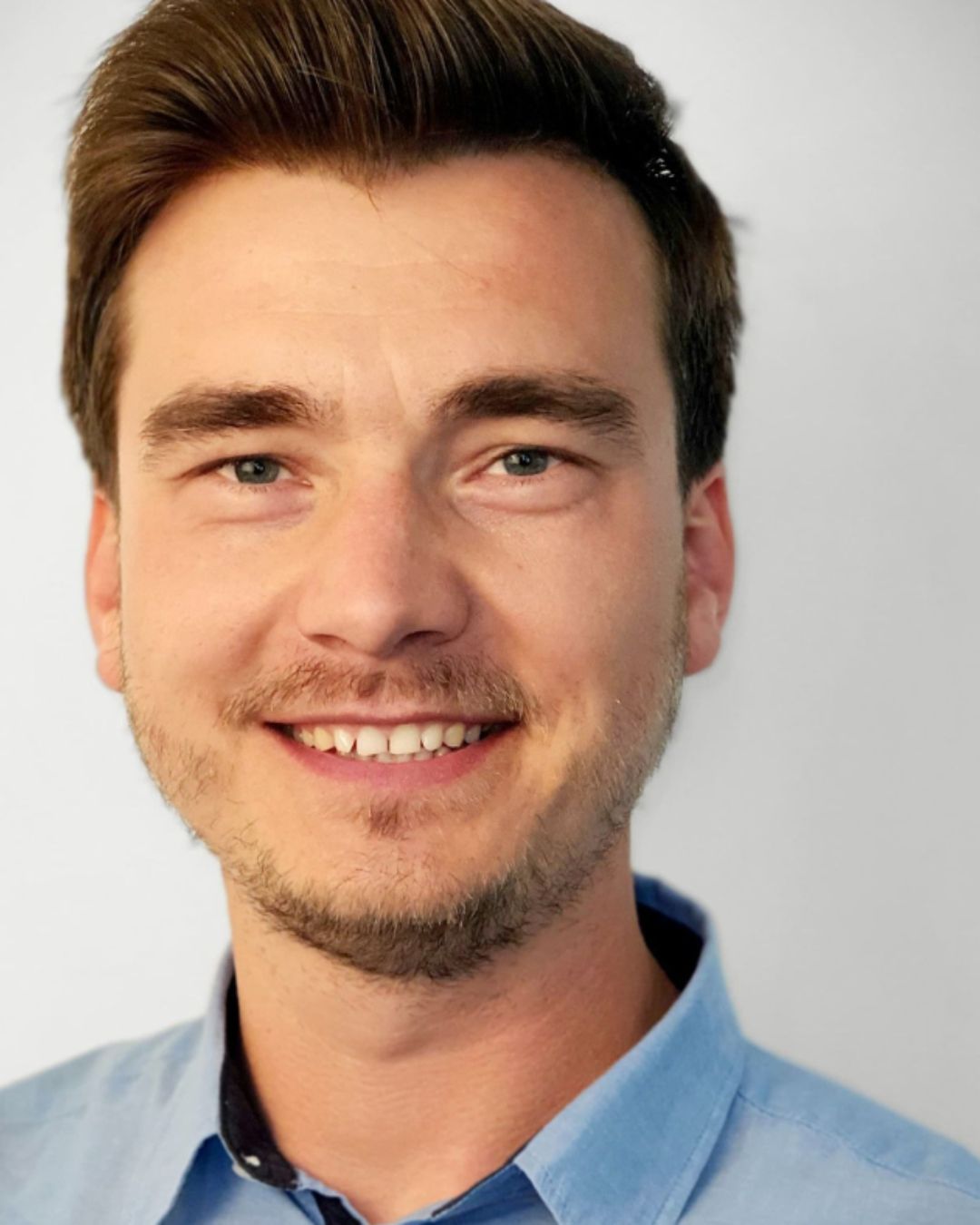
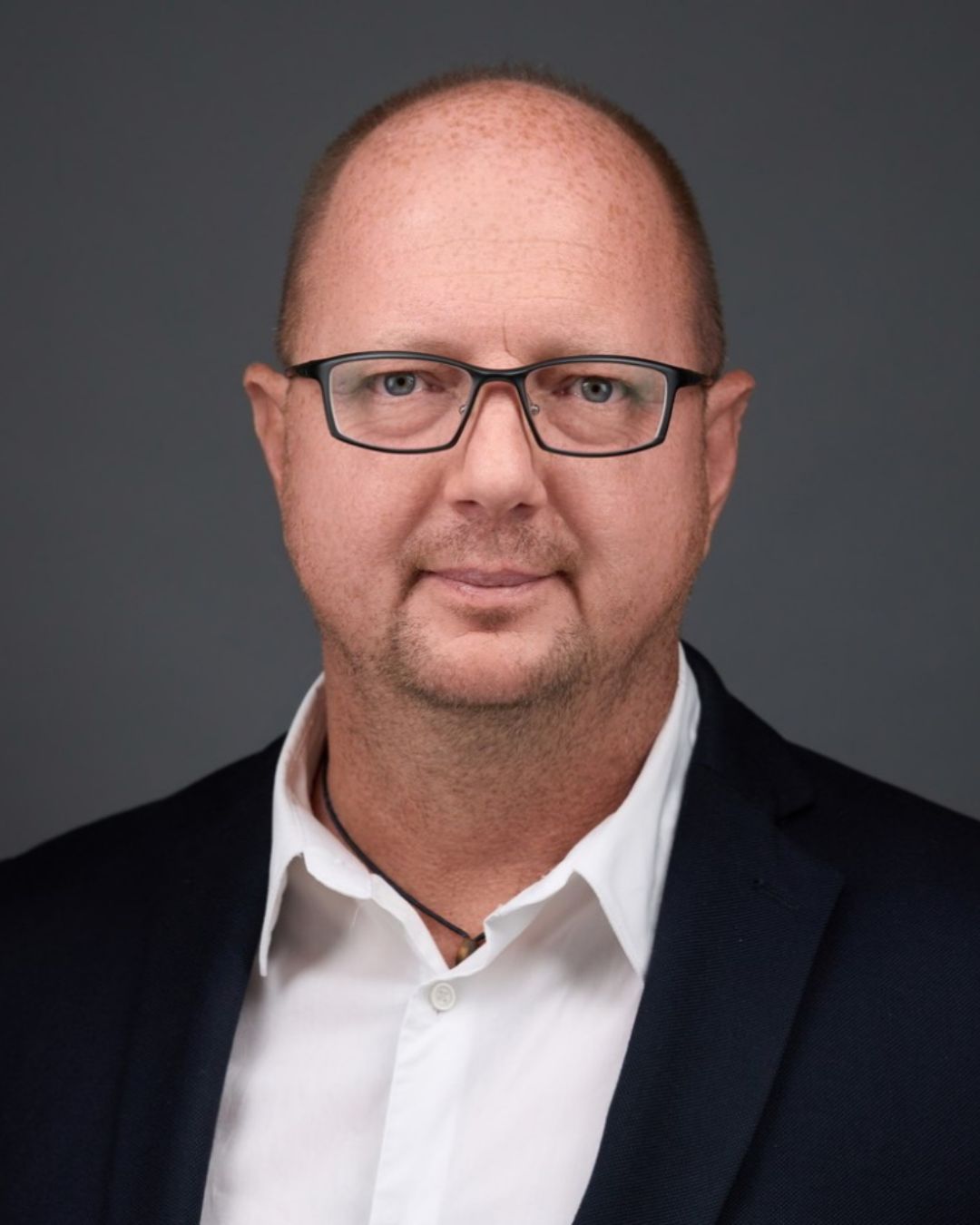
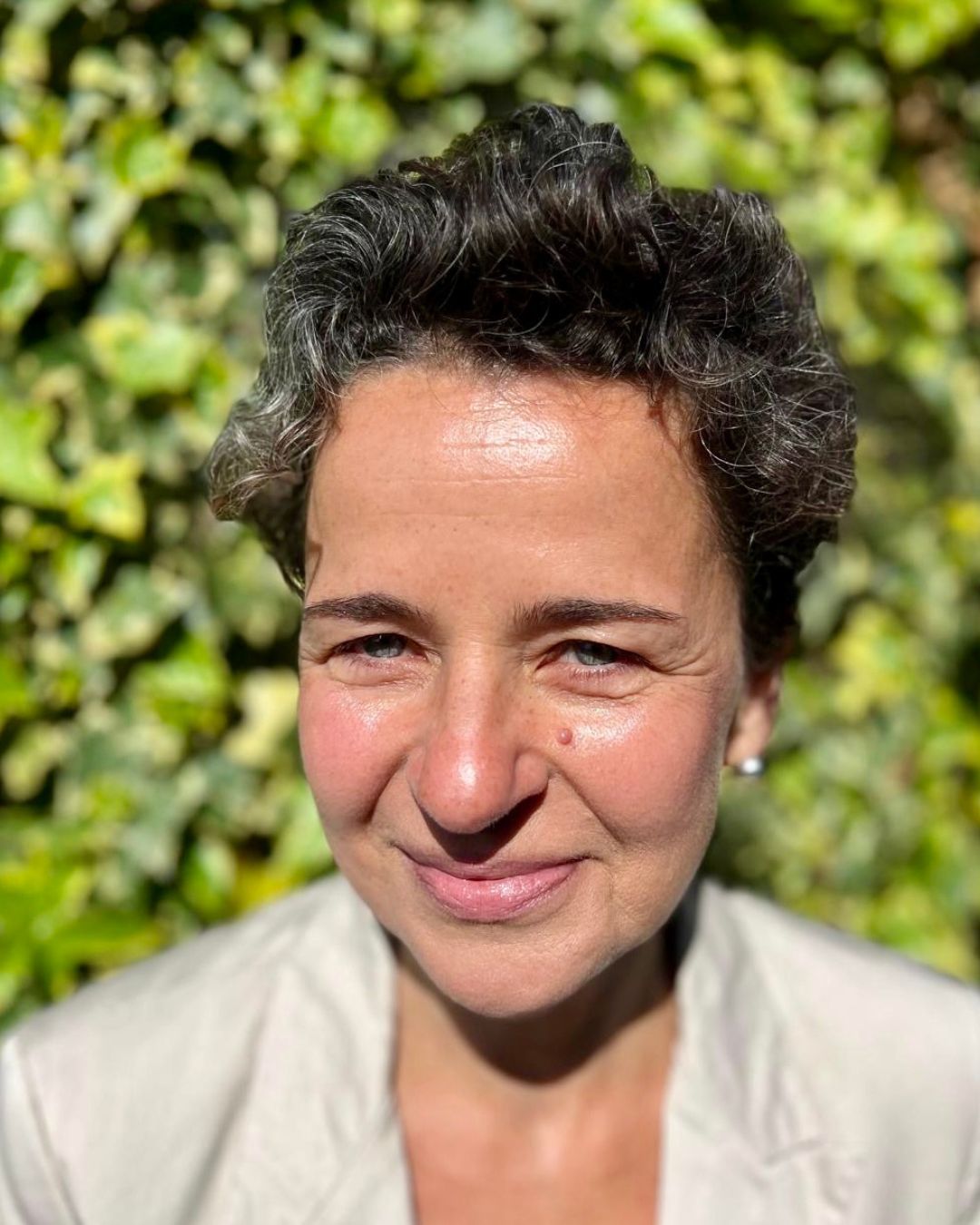
Our Speakers will be:



Our key topics will be:
- Emerging Pollutants and Aquatic Plastics in the Danube basin
- EUSDR challenges and solutions in the middle of a water crisis
- Aquatic Plastic Volume 2. and the results of the citizen science activities
- Integrated findings from microplastics pilot studies
- Intervention methodology for authorities to prevent infiltration into rivers from high risk waste-leakage points
- Pilot testing audited certification schemes and Obtaining accreditation for upcycling environmental plastics
- Policy recommendations- the outcome of the co-creation process
Participation is free, but registration is required to reserve your spot.
The conference has reached full capacity, therefore registration is closed.
Programme
Moderator: Zsófia Tomaj, sustainability expert
|
Time |
Programme |
Speaker |
|
|
09:15 -10:00 |
Registration, welcome coffee |
||
|
|
Opening session |
||
|
10.00 - 10.10 |
Welcome speech |
Gusztáv Csomor |
|
|
10:10 - 10:40 |
Keynote speech #1 Quo Vadis, Danubius? Progress and Challenges of Pollution Management in the Danube River Basin |
Dr. Ádám Kovács |
|
|
10.40 - 11.00 |
Keynote speech #2 EUSDR challenges and solutions in the middle of a water crisis |
Dr. Viktor Oroszi |
|
|
11.00 -11.20 |
What the River Taught Us: Insights from the Aquatic Plastic Journey Aquatic Plastic Volume 2. and the results of the citizen science activities |
Dr. Attila Dávid Molnár |
|
|
11.20 -11.30 |
Q&A |
||
|
11.30 -12.00 |
Coffee break and Blue Therapy |
||
|
|
Session 1: Performance and key results of the project |
||
|
12.00 -12.30 |
Understanding Riverine Microplastics: Integrated Findings from Pilot Studies and the MIP Data Platform |
Dr. Gudrun Obersteiner
Dr. Gábor Bordós
Dr. Tine Bizjak |
|
|
12.30 -12.45 |
Pilot monitoring of high-risk leakage points and the automated evaluation protocol (software) |
Dejan Ubavin |
|
|
12.45 -13.05 |
Intervention methodology for authorities to prevent infiltration into rivers from high-risk waste-leakage points |
Gergely Hankó |
|
|
13.05 -13.15 |
Q&A |
||
|
13.15 -14.10 |
— Lunchbreak & networking — |
||
|
14.10 -14.30 |
Pilot actions to prevent infiltration of river waters – international cleanup experience |
Marian Paiu |
|
|
14.30 -14.50 |
Pilot testing audited certification schemes and Obtaining accreditation for upcycling environmental plastics |
Imre Király |
|
|
14.50 -15.10 |
Policy recommendations – the outcome of the co-creation process |
Orsolya Keményffy |
|
|
15.10 – |
Team Building – Riversaver Declaration – AQPLA Future |
||
|
16.00 – |
Closing remarks |
||
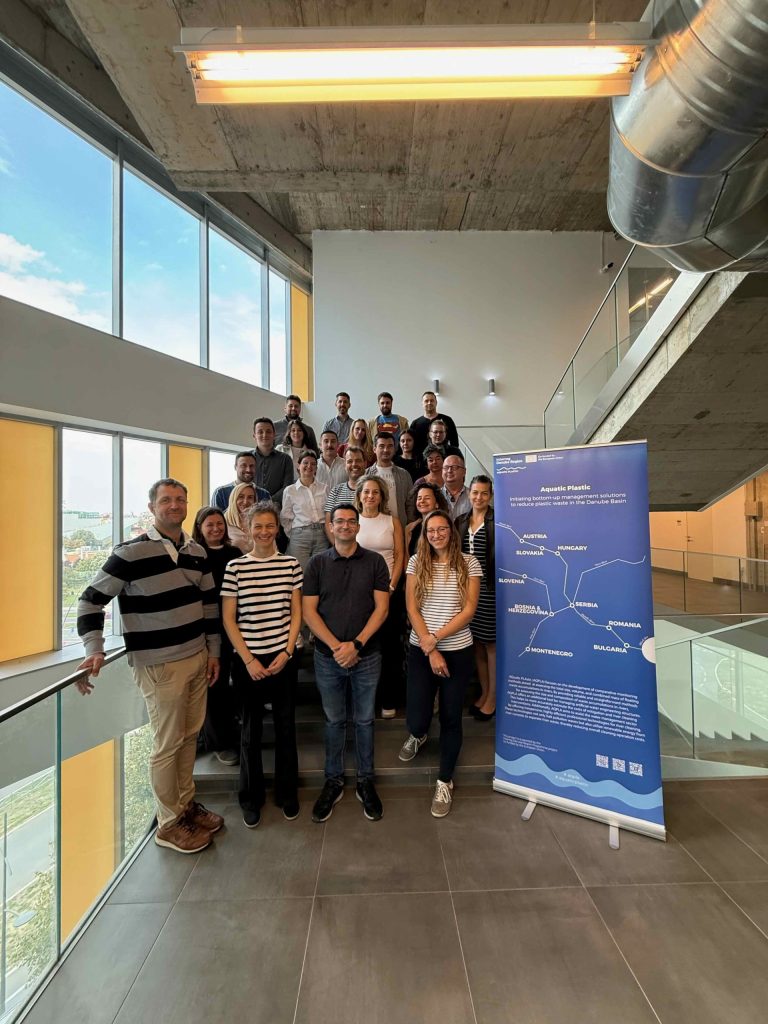
More information about the AQUATIC PLASTIC project.
The event is the part of the AQUATIC PLASTIC project, which is co-financed by the European Union and implemented with the financial contribution of partner countries and institutions under the Interreg Danube Region program.
The Hungarian partners participation in the project is co-financed by the Hungarian government.